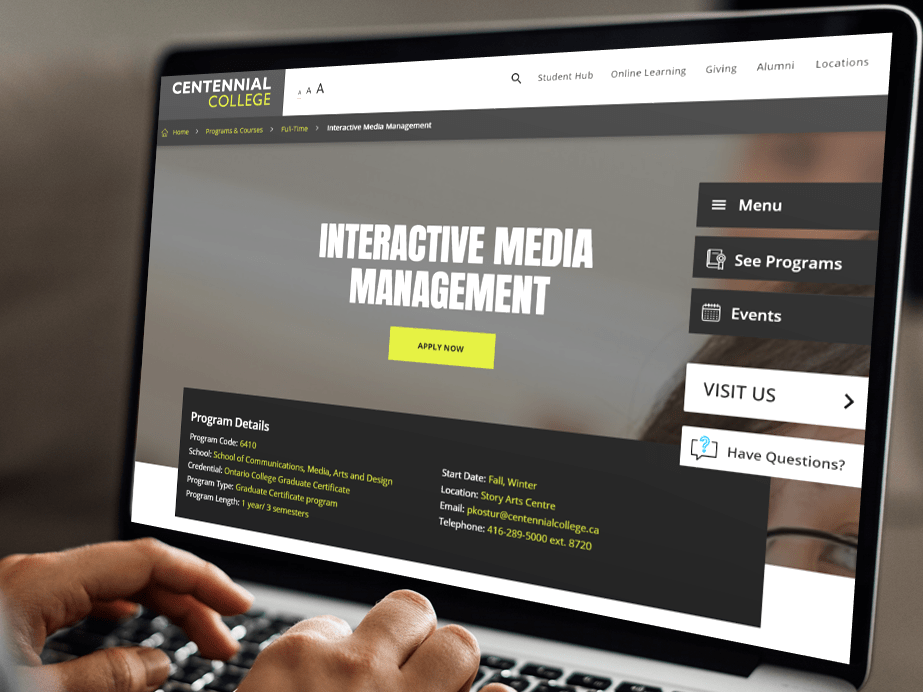
My Role
Digital Strategist
Client
IMMT Program, Centennial College
Tools Used:
Pen and Paper, Adobe Illustrator, Adobe Photoshop
Project Type
UX Research; Website Redesign & Rebranding
Duration
Jun 2020 – Oct 2020
BACKGROUND
The vision of Centennial’s IMMT program is to enhance the users’ experience of interactive digital media platforms. To fulfill this aim, the program is producing quality professionals who expertise in designing intuitive interactive platforms that satisfy the users’ needs. The program provides comprehensive coverage of diversified topics on interactive media to the learners. It offers a learning platform that is robust, comprehensive, user-focused, research-based, and most importantly fun!
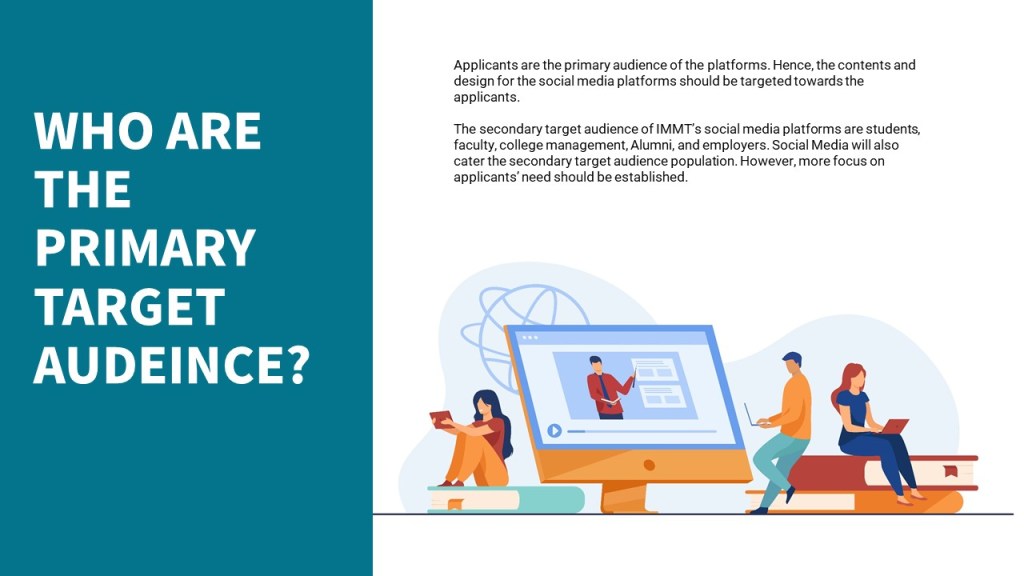
The primary audiences of IMMT’s website are applicants and potential applicants of the IMMT Program (online and in-person). The secondary audiences are Parents, Employers, Agencies that recommend programs (second career funding), Employment agencies, career counselor, Government agencies (for funding), faculty members (to recruit), progress-campus faculty and management, and other schools.
PROBLEM
The website of the IMMT program did not depict the energy, prospect, opportunities, and creativity of the program. The digital content was inadequate in conveying its strengths and market positioning. At the root of the problems, the program was unaware of users’ needs from its digital platforms.
SOLUTION
Analyzed competitive prospects of the IMMT program and conducted user research to find out users’ needs and behaviours around digital media. Based on the findings assessed content gaps, developed content for the website, and recommended digital strategies for an enhanced user experience.
COMPETITIVE ANALYSIS
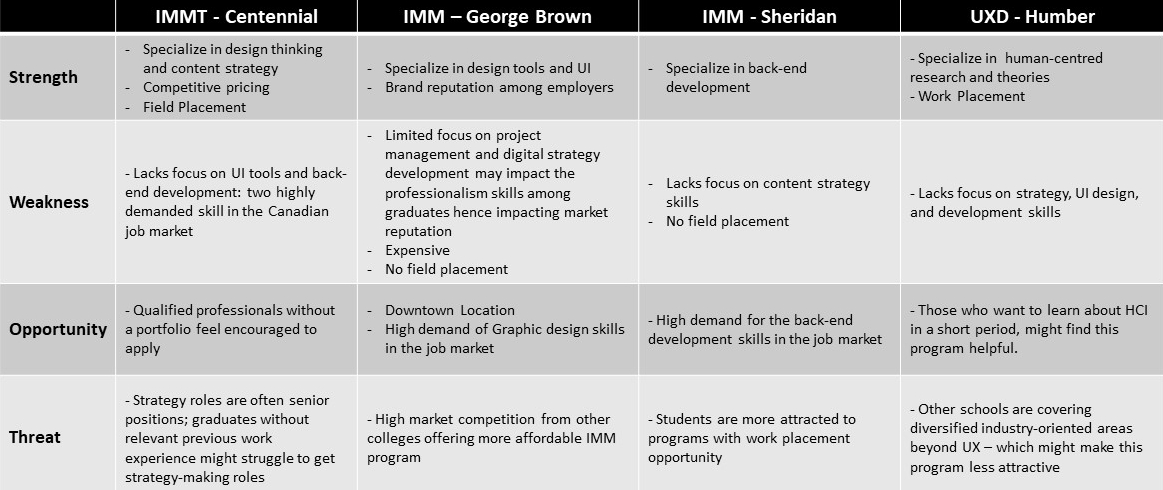
I assessed similar programs in the market based on method of study (i.e. full-time), campus location (i.e. Toronto), credential, education level (i.e. post-grad), and duration (i.e. one year). Based on the assessment Sheridan College, George Brown College and Humber College have been identified as the direct competitors. A competitive product analysis and a comparative SWOT analysis were drawn to understand the brand positioning of the program in the market of Interactive Media Management Programs in Toronto.
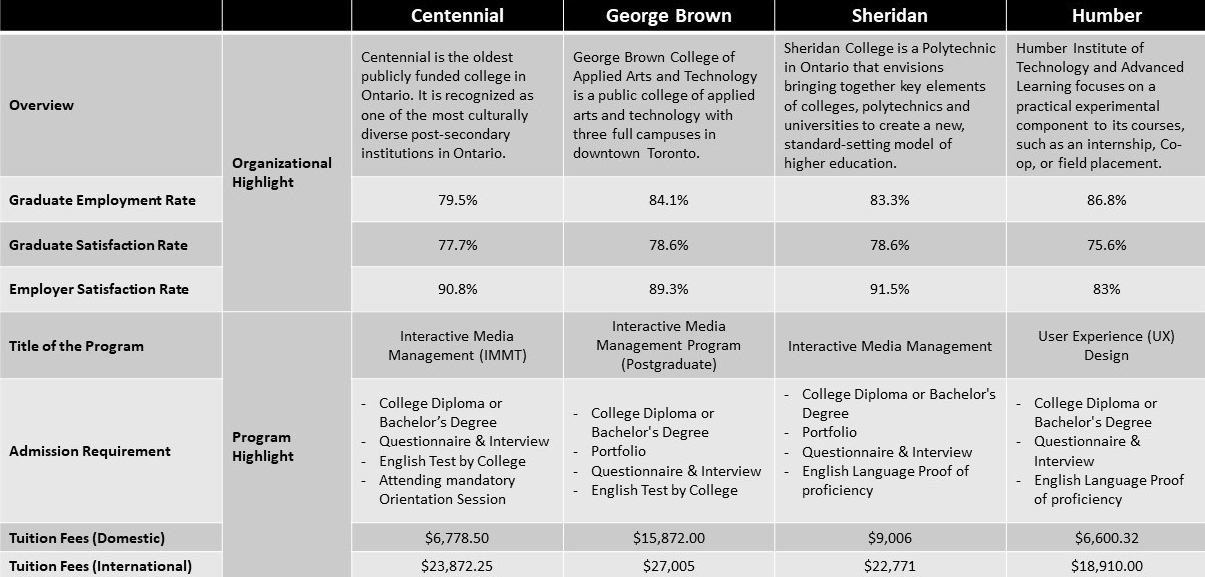
COMPETITIVE PRODUCT ANALYSIS
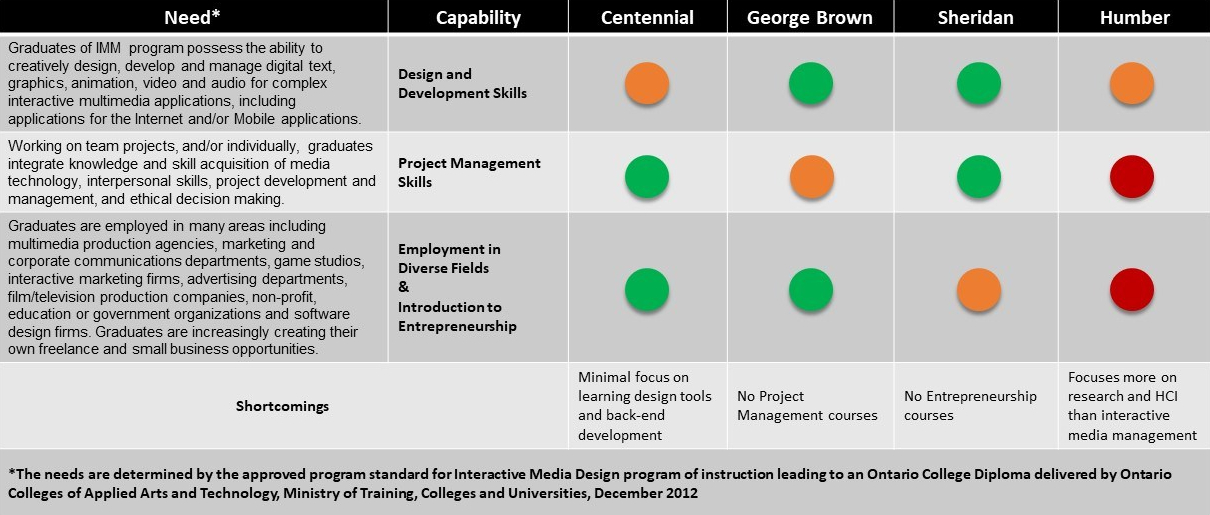
This is an analysis of what students needs (based on the Ontario Interactive Media Management program standards by the government) and the capacity of the colleges to meet those needs.
Green = The program is successfully meeting the need of the students
Orange = The program is partially meeting the need of the students
Red = The program does not meet the need of the students
COMPARATIVE SWOT ANALYSIS
HEURISTIC ANALYSIS OF THE WEBSITE
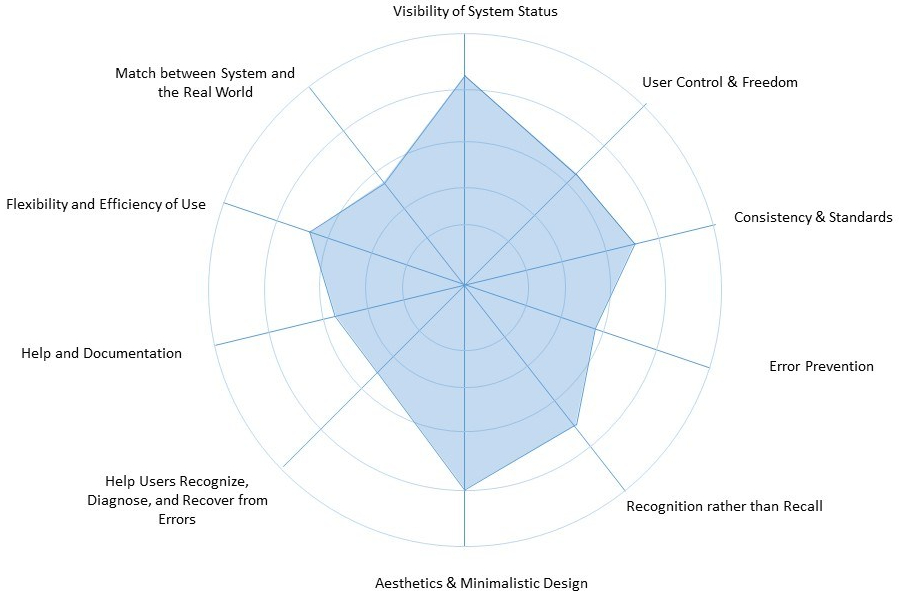
I assessed the usability of the IMMT’s website based on 10 standards based on Jakob Nielsen’s 10 general principles for interaction design. The reviews were conducted by 3 peer reviewers to avoid individualistic biases. The ranking provided me a direction to further investigate the identified usability issues.
PERSONAS
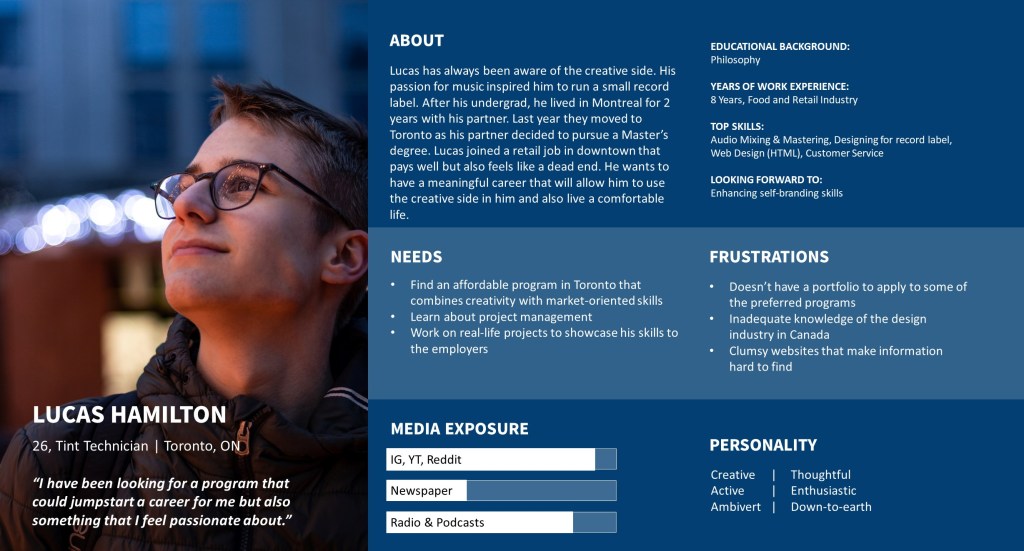
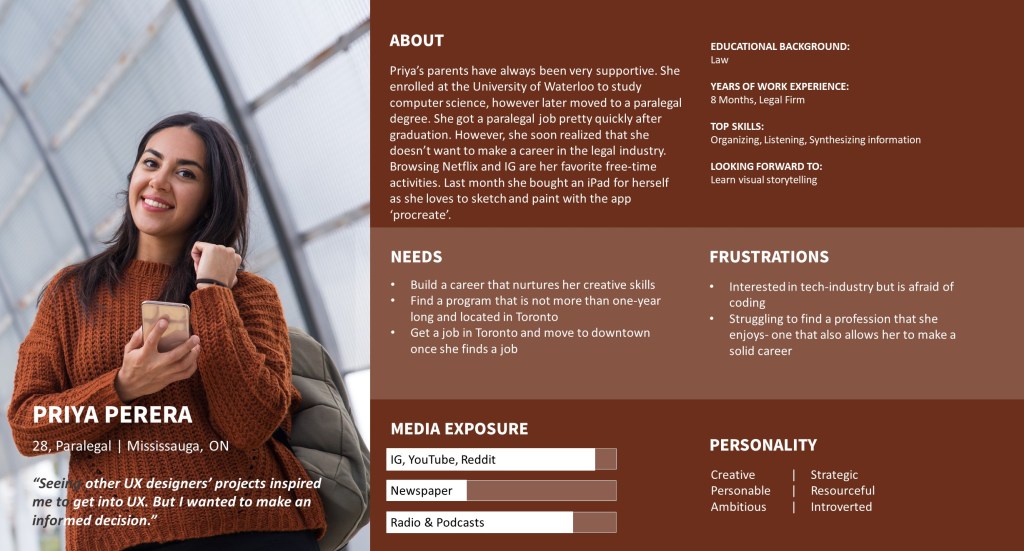
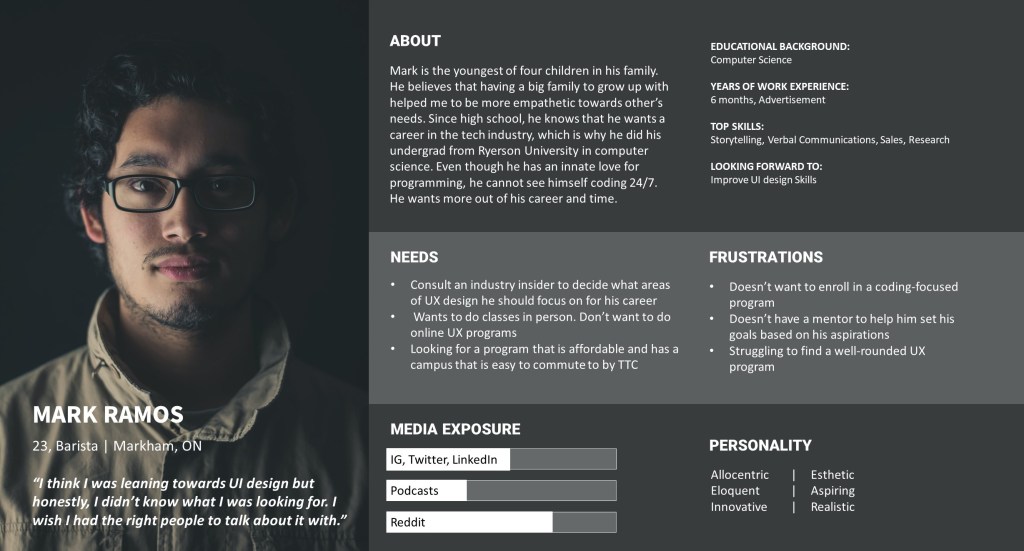
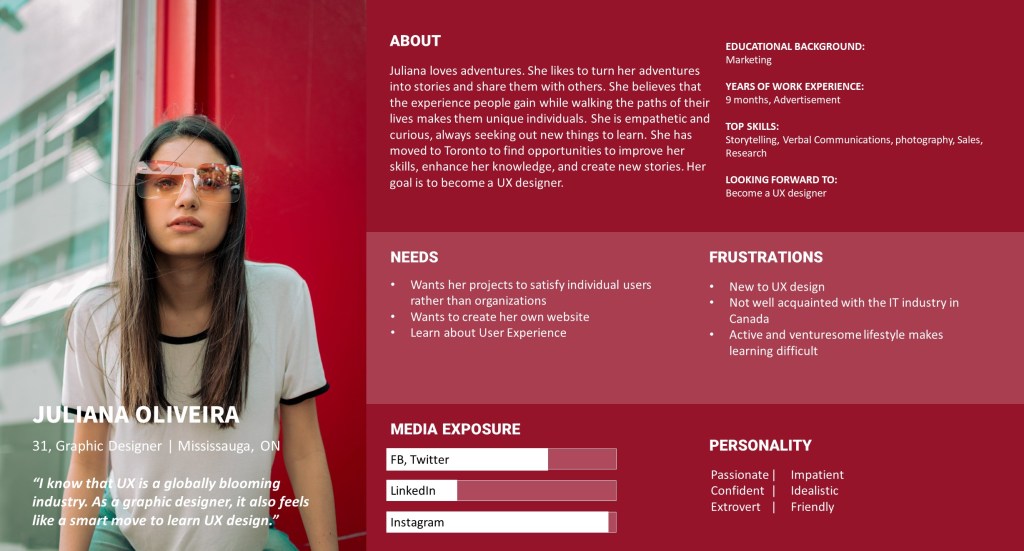
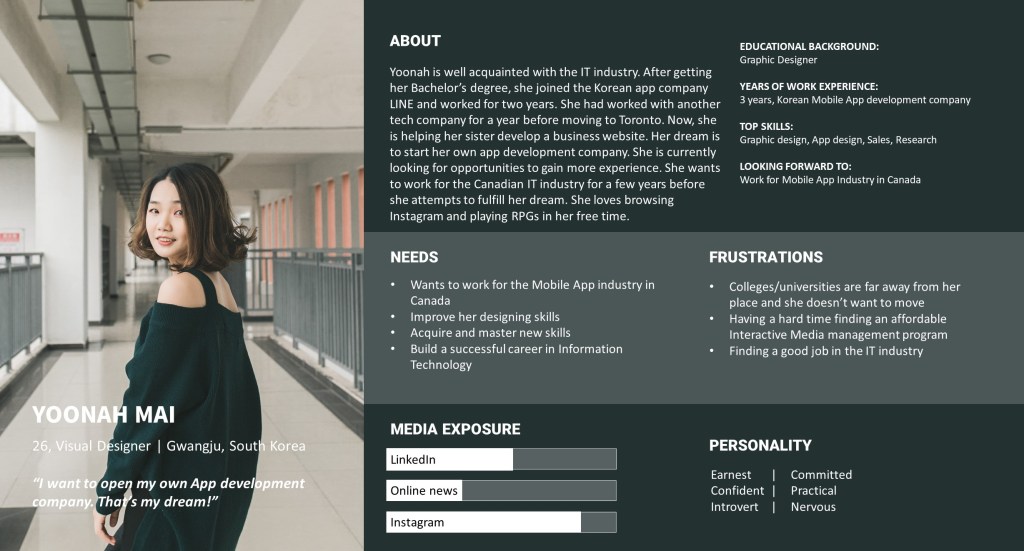
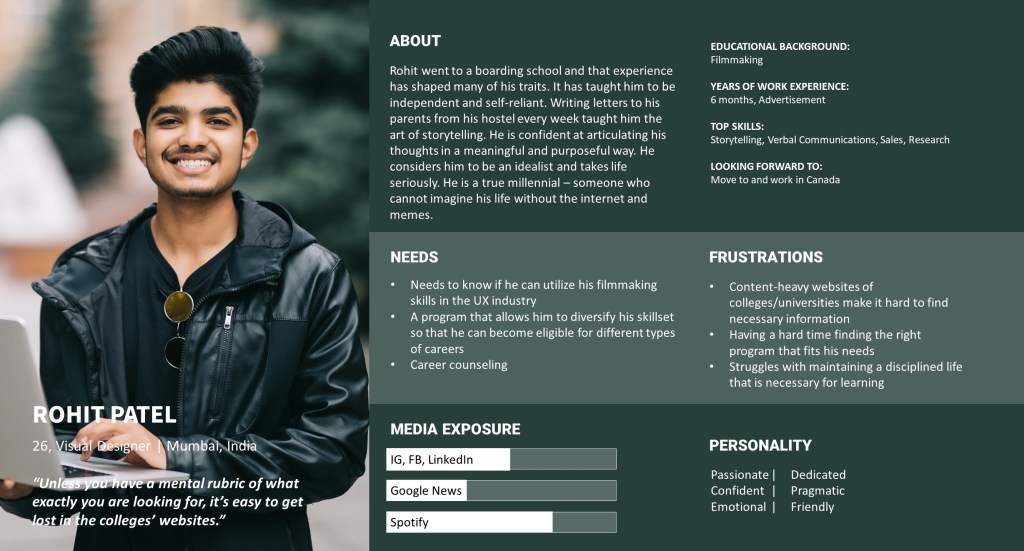
A persona is a fictional, yet realistic, description of a typical or target user. It is a tool that will encourage decisions based on a real person’s needs, and not on those of a generic and undefined “user.” [1] To ensure a user-centric design we have to be aware of the attitude, behaviour, needs, and goals of targeted users of IMMT’s digital platforms, the applicants. The content of IMMT’s digital platforms must allow applicants to understand the objectives of the program, to analyze if the program is a right fit, to motivate them to apply, and to assist them in submitting the application. 6 personas have been developed based on interviewing 3 domestic and 3 international students/applicants.
EMPATHY MAPPING
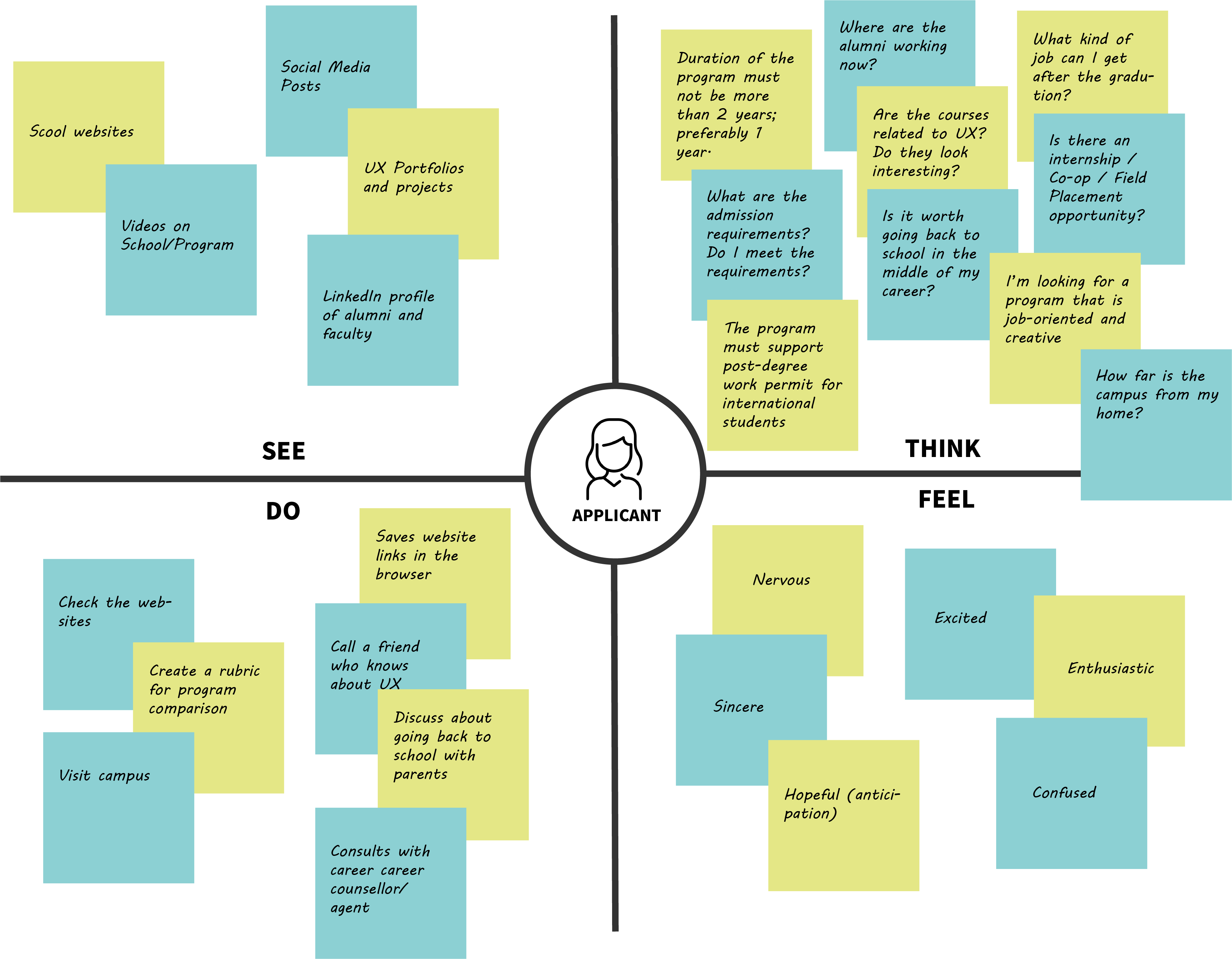
Empathy map is a powerful tool to deeply understand the users. Empathy mapping allowed me to understand the cognitive process of decision making in the mind of the applicants. It was developed based on interviews with 10 applicants of IMMT program.
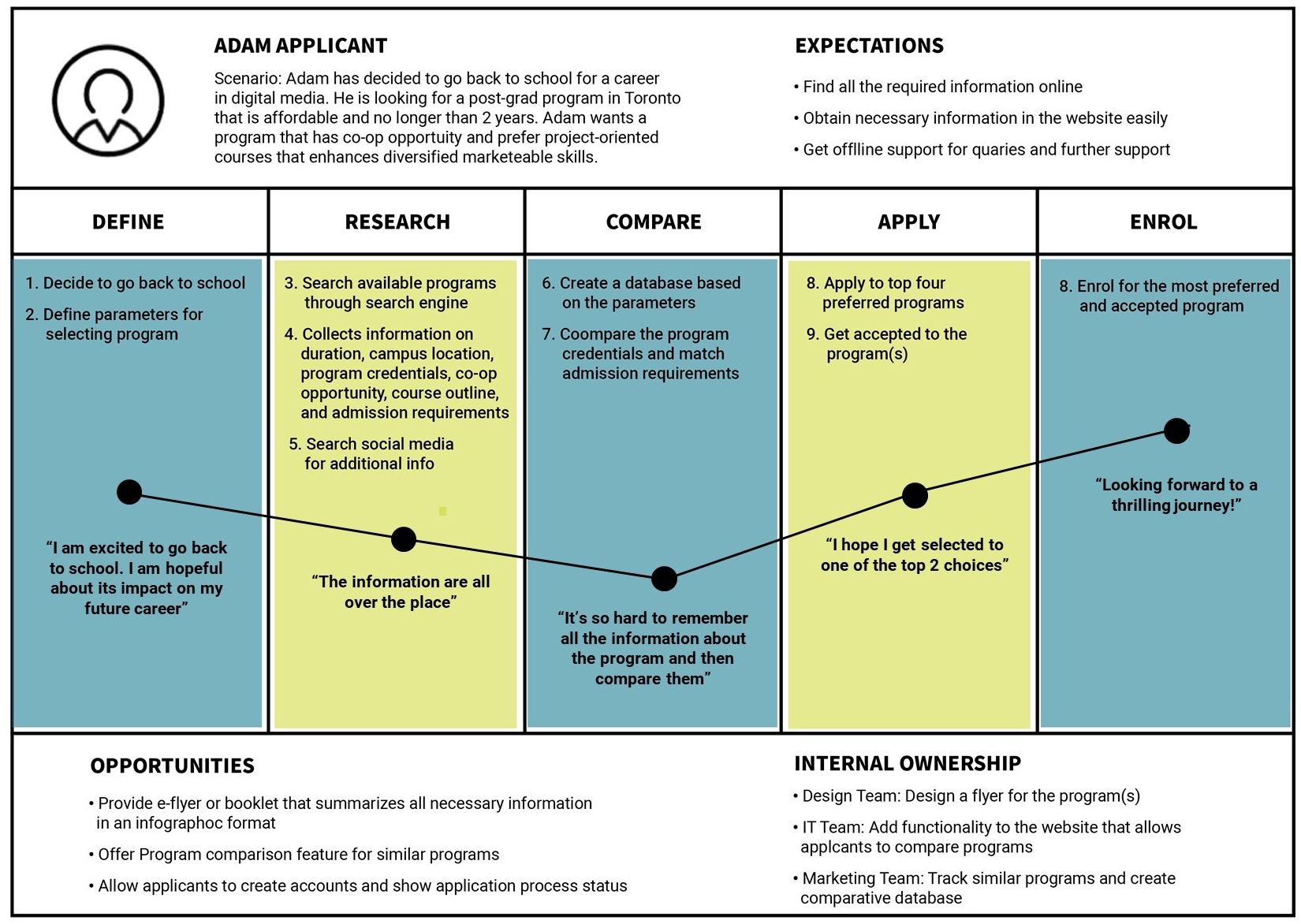
USER JOURNEY MAP
For journey mapping 10 target users (applicants and students) have been interviewed. The interviewees had to detail out a journey they made from deciding to go to a school and ended with enrolling to a program
Starting Point: Deciding to go to school
Ending Point: Enrolling to a college
USER RESEARCH
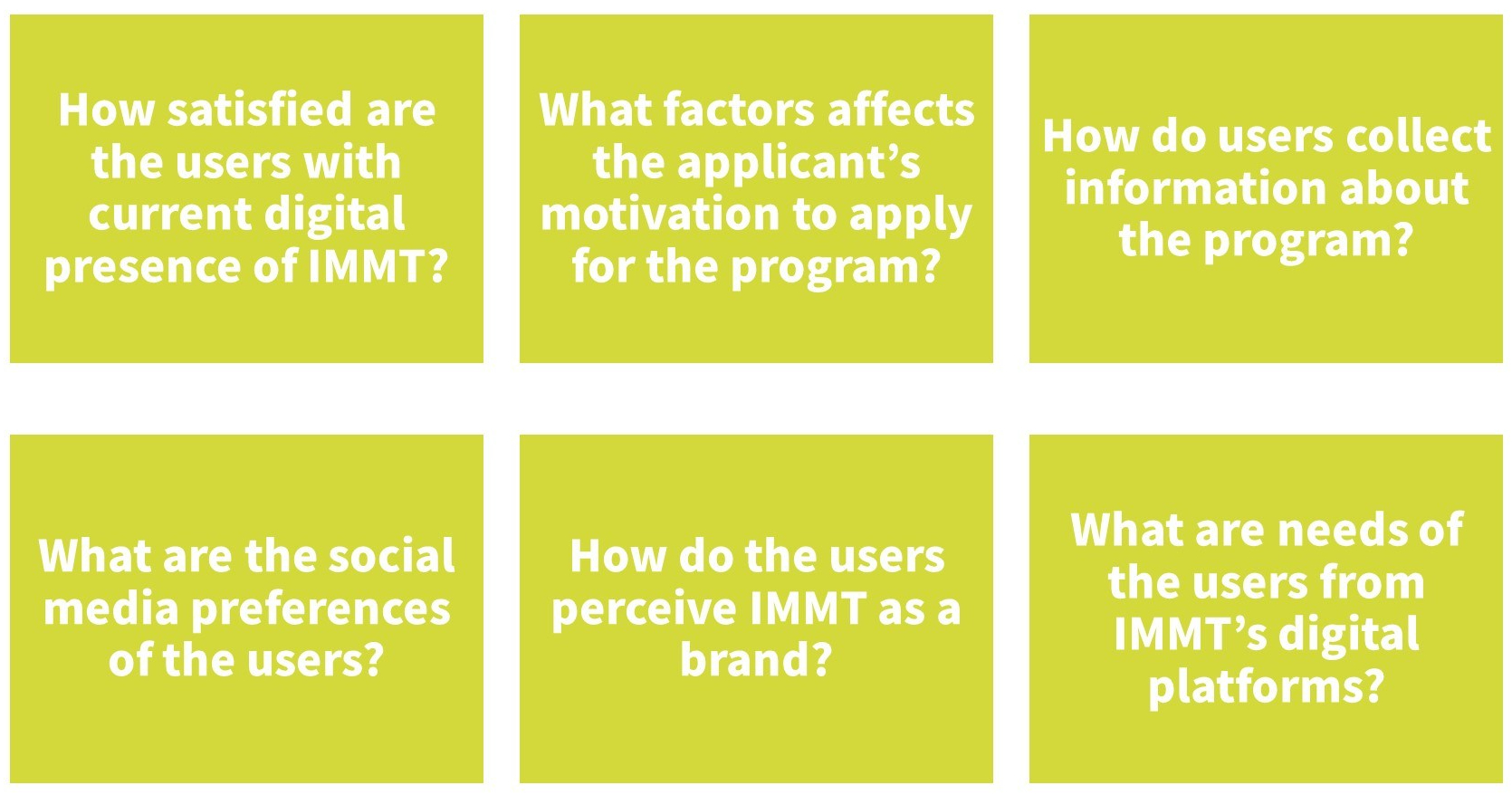
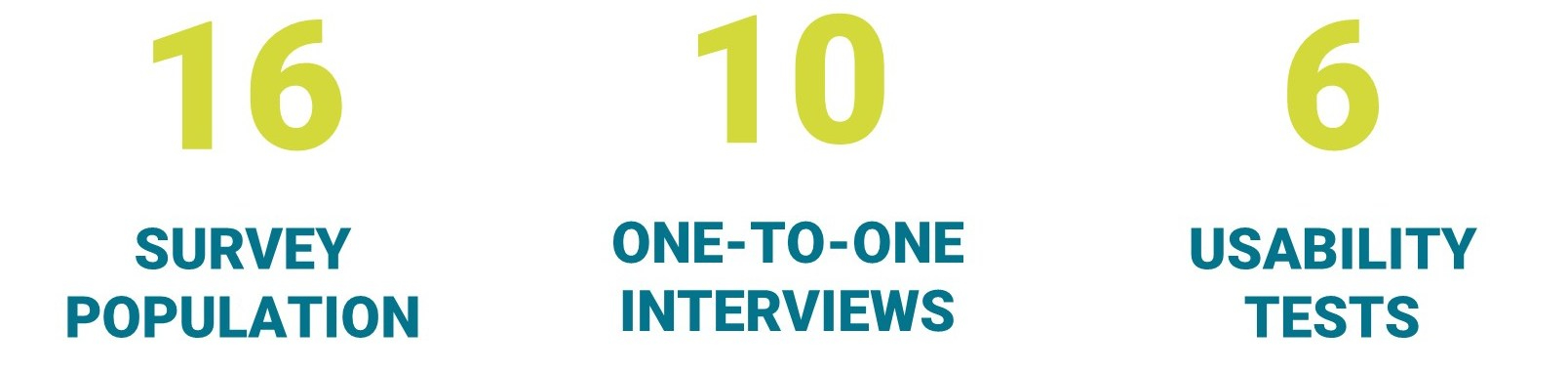
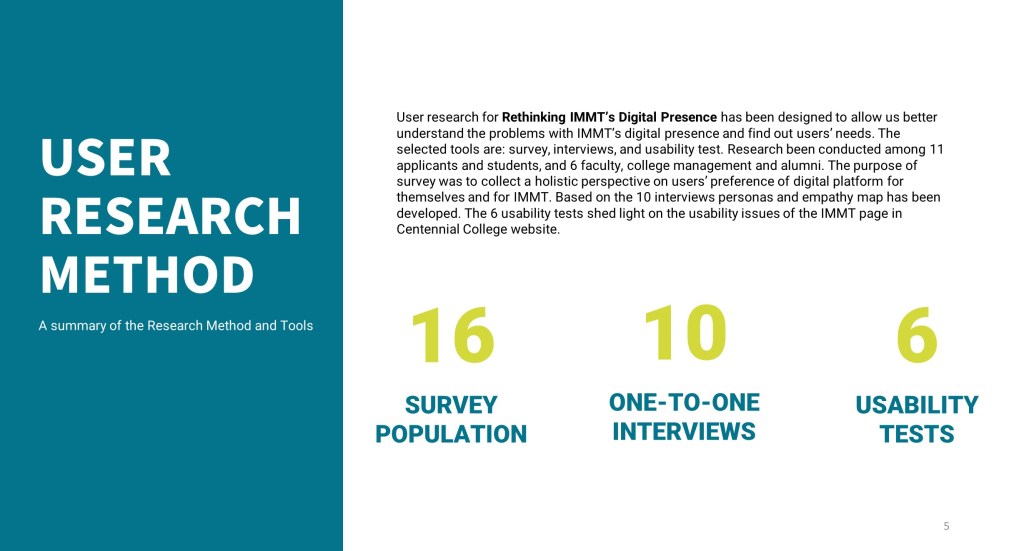
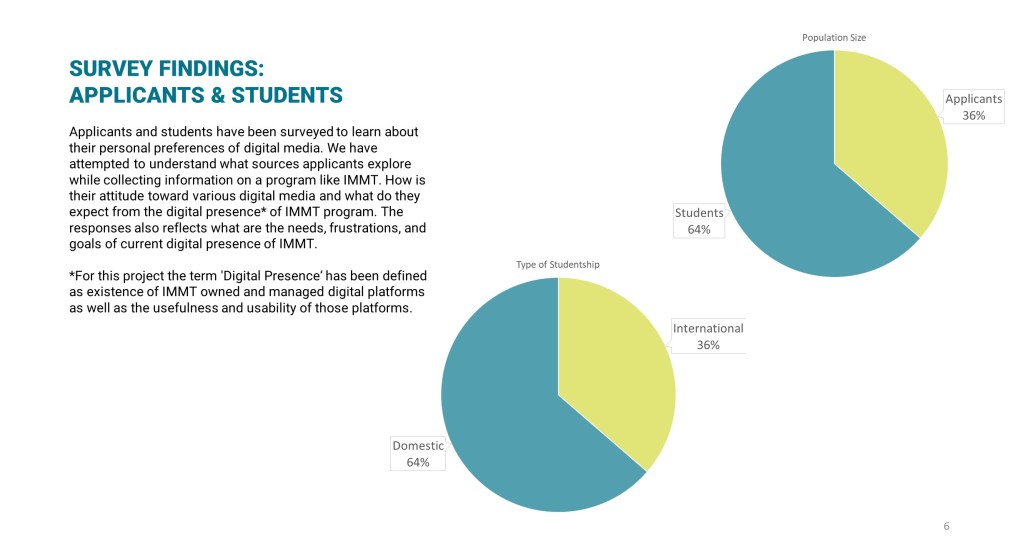
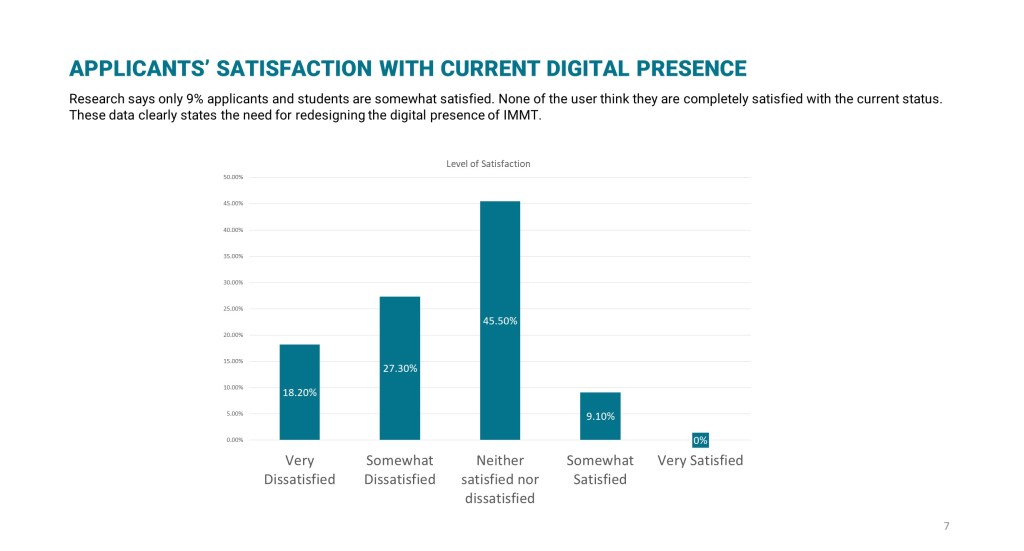
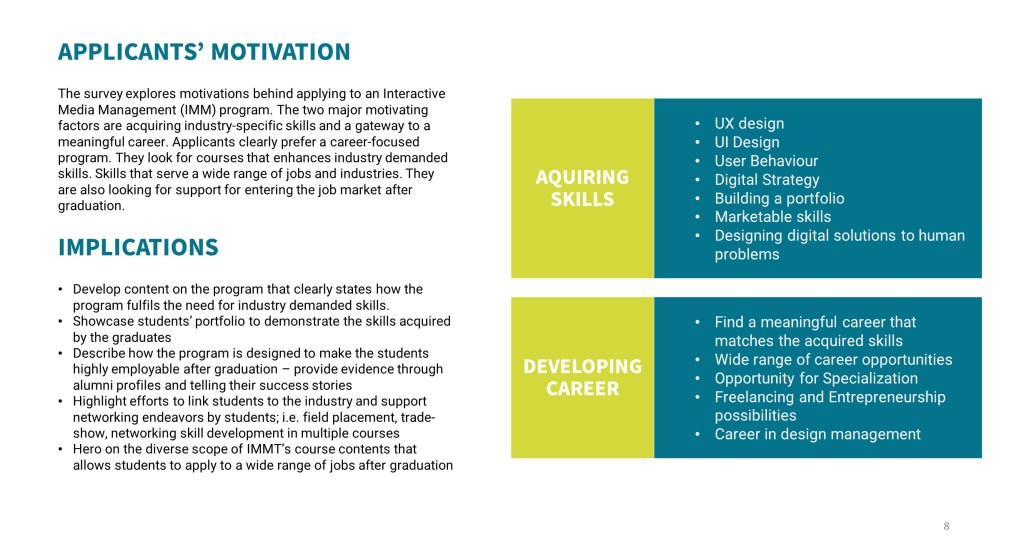
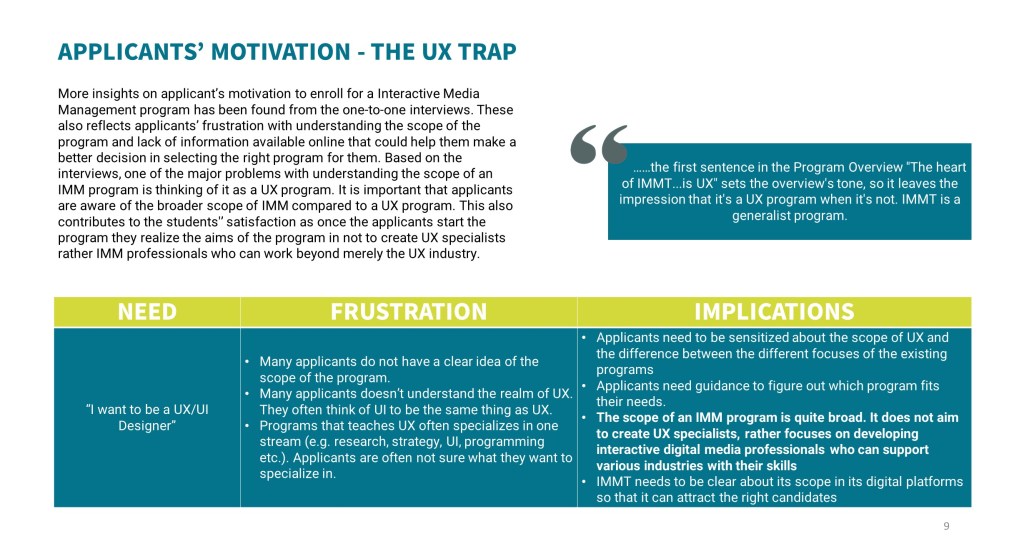
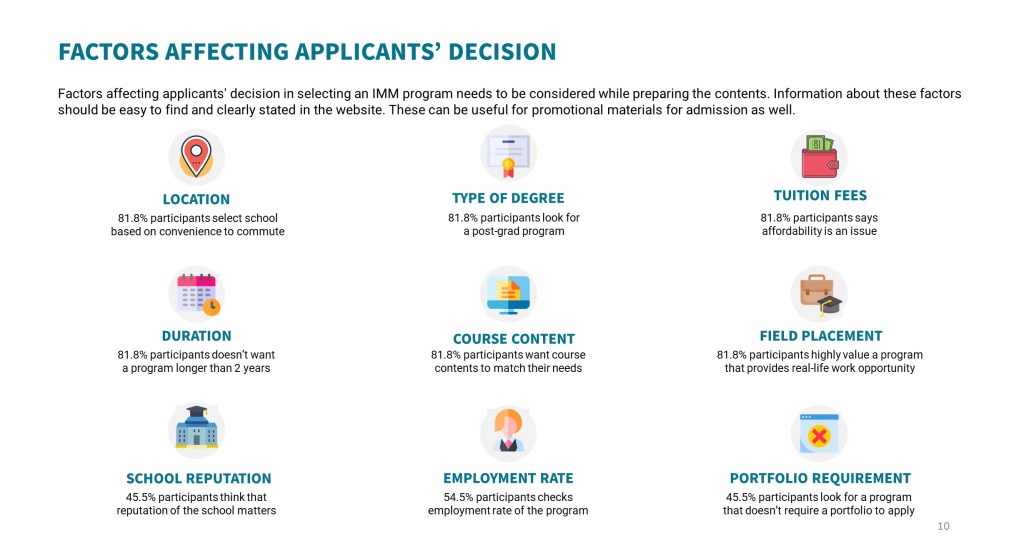
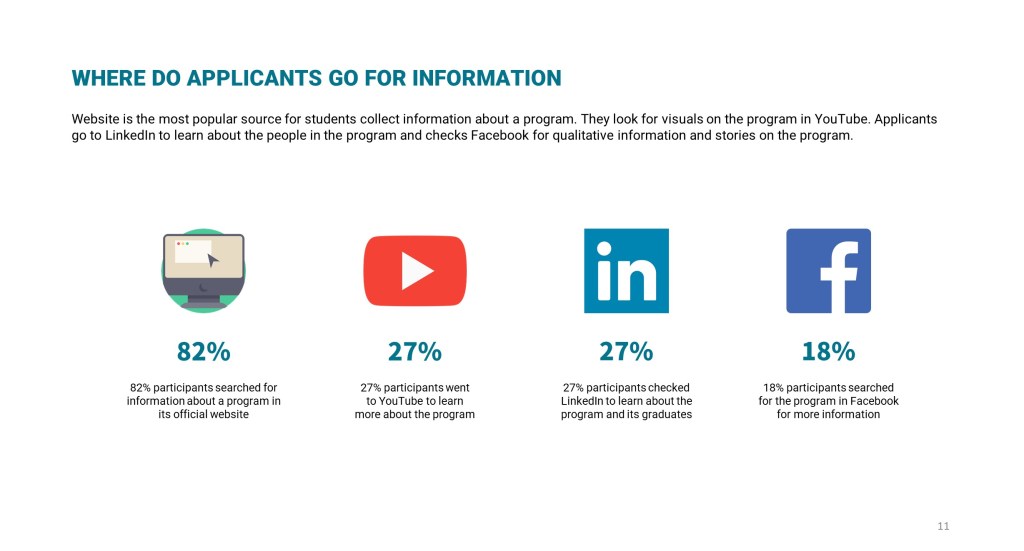
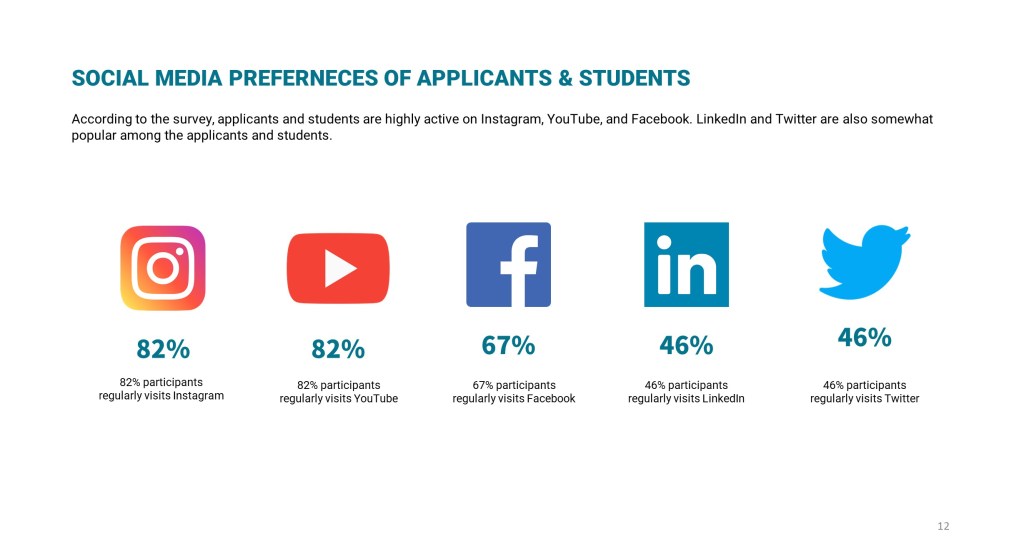
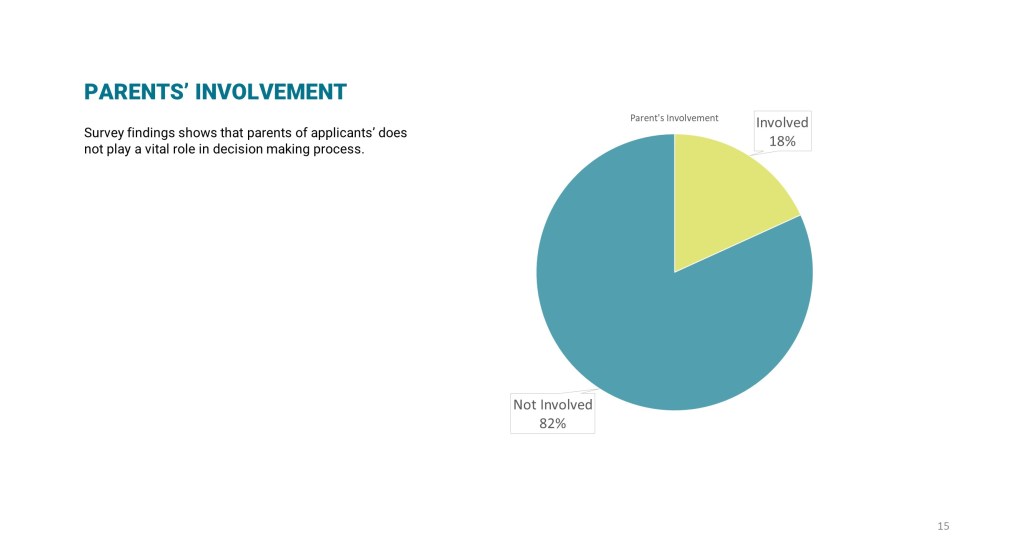
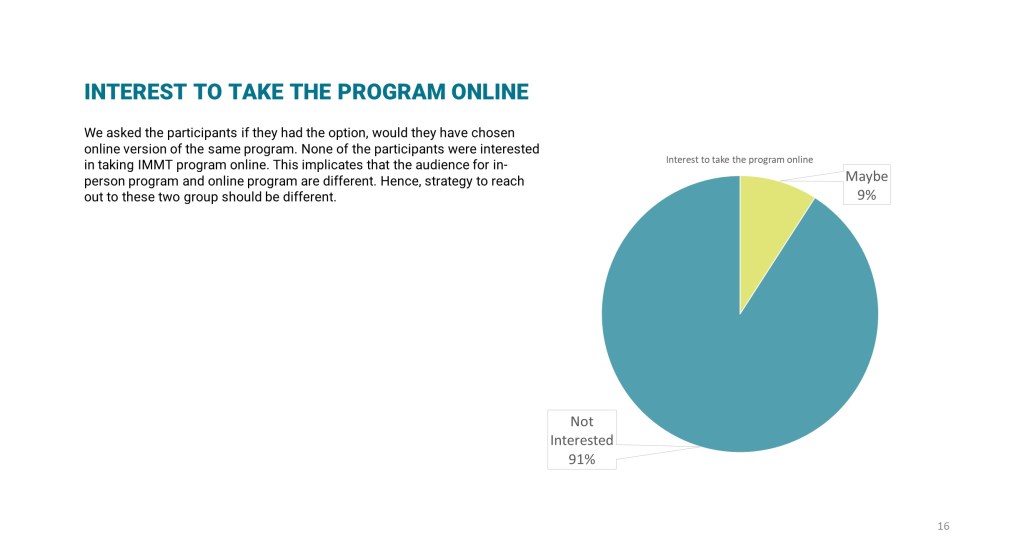
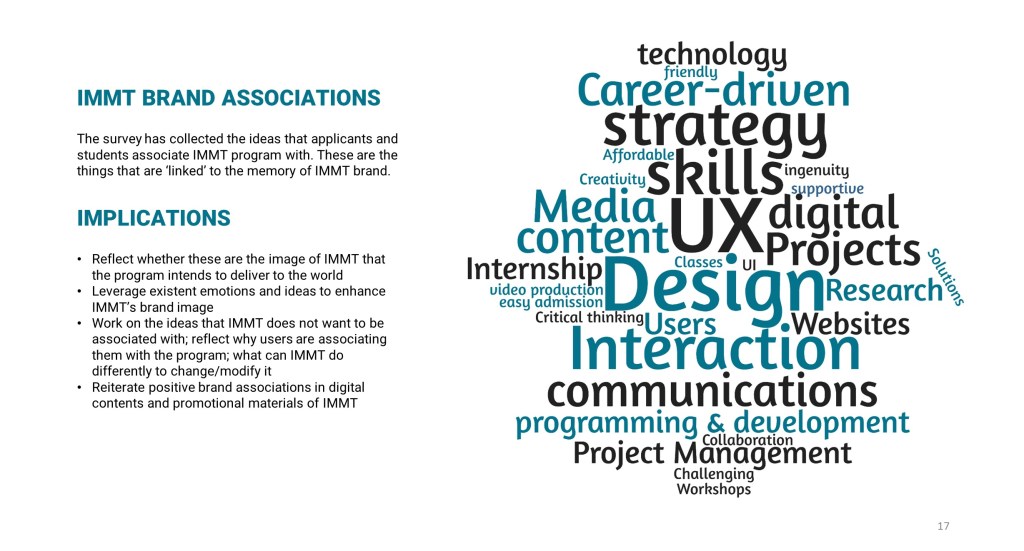
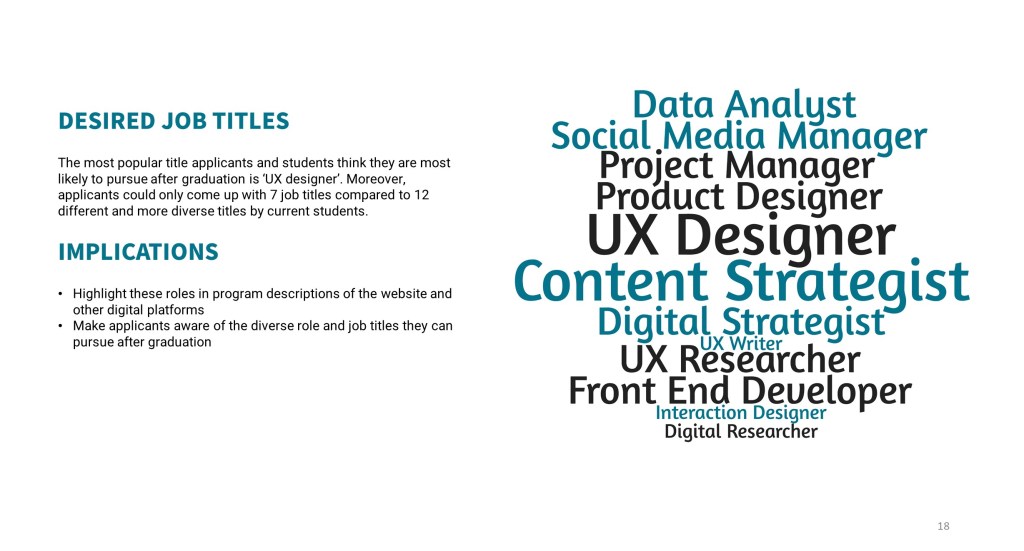
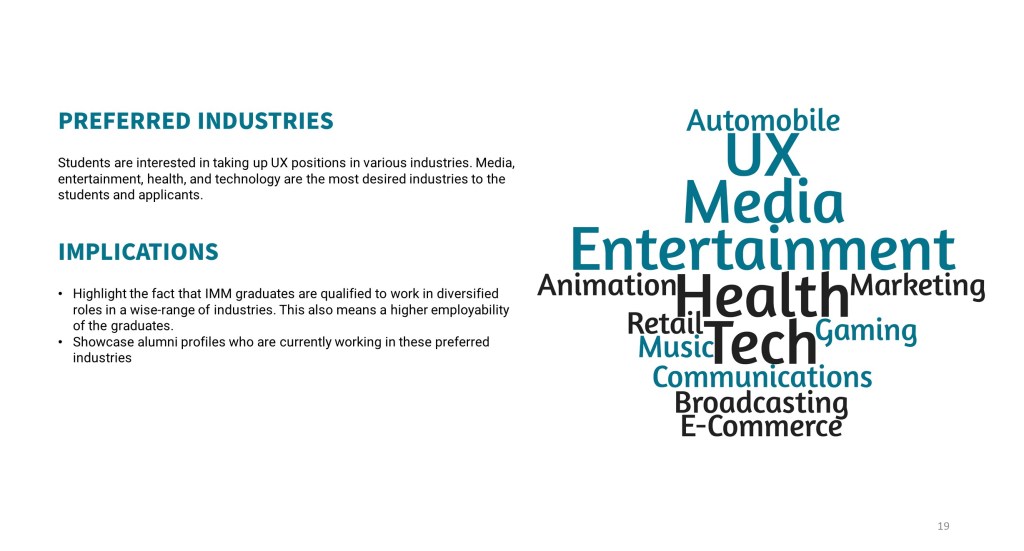
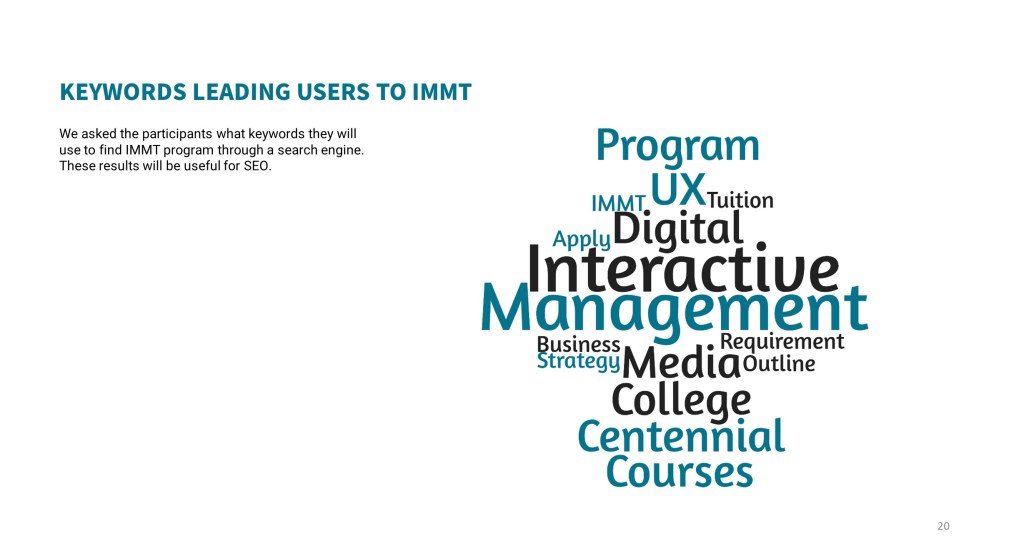
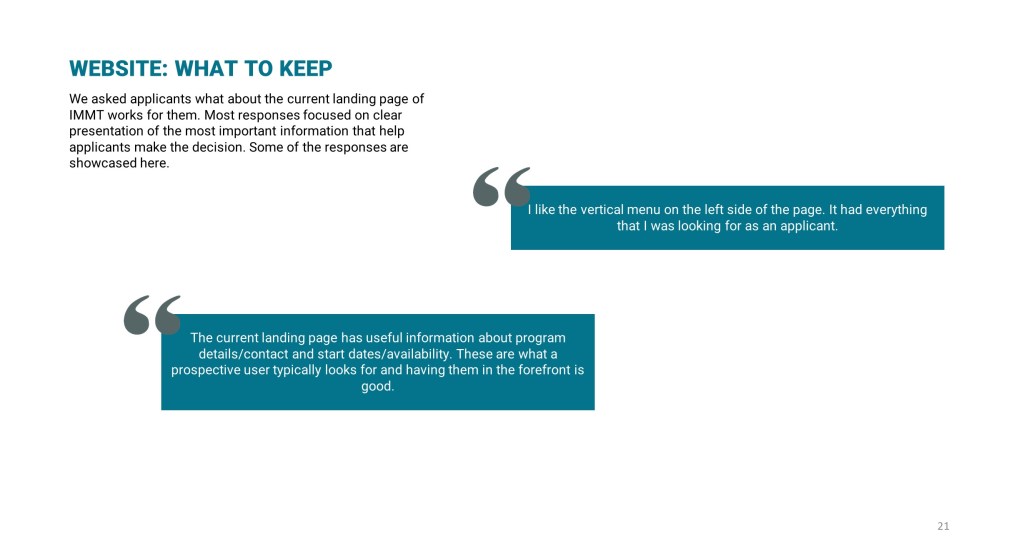
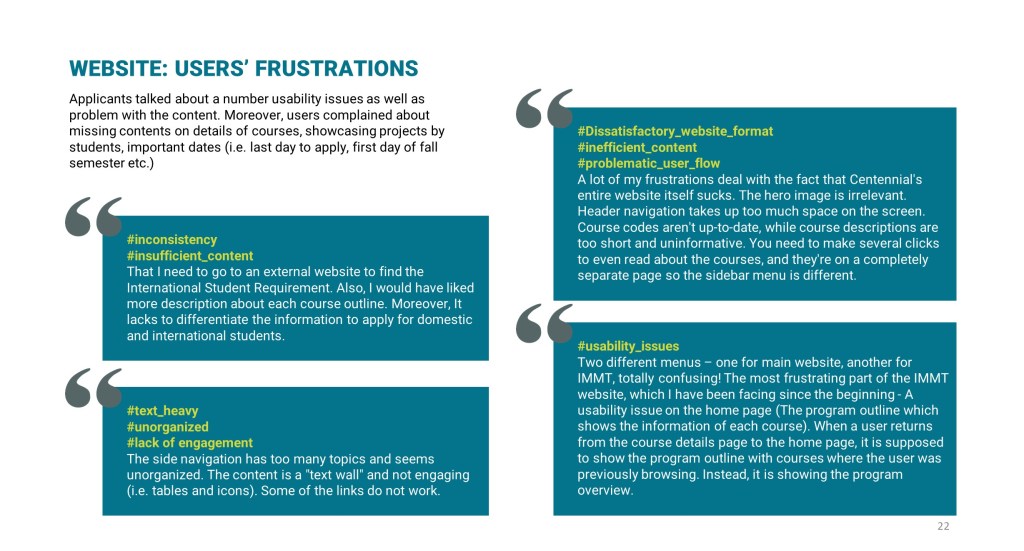
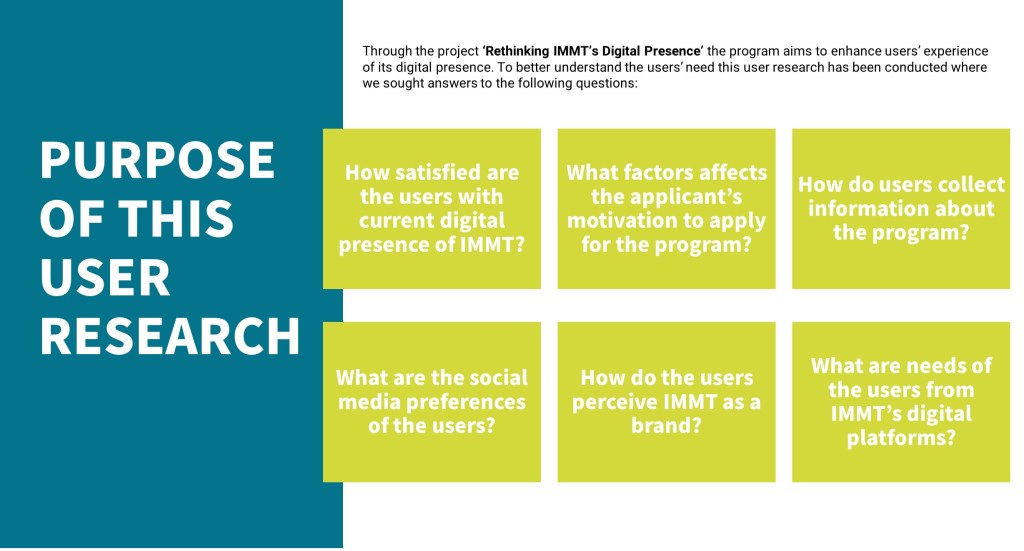
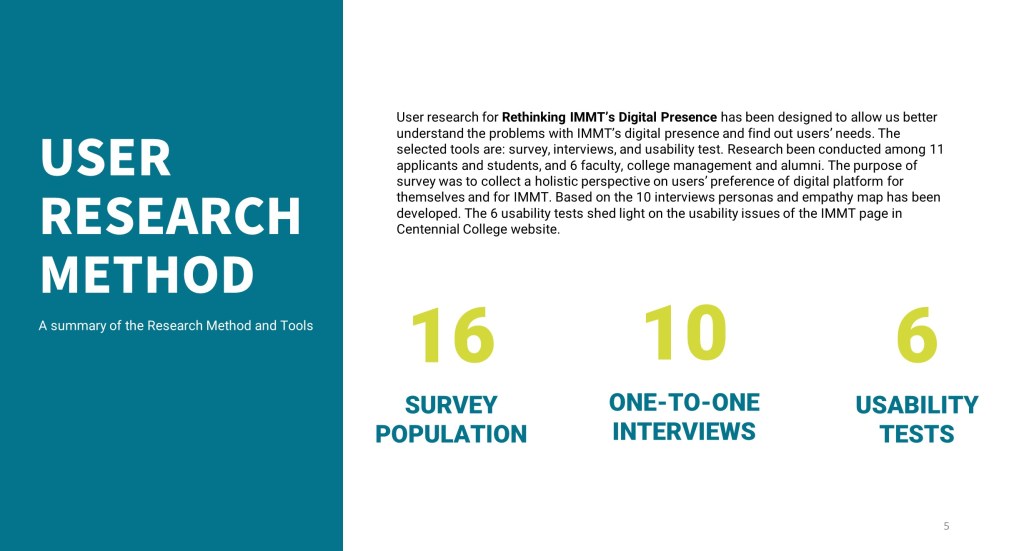
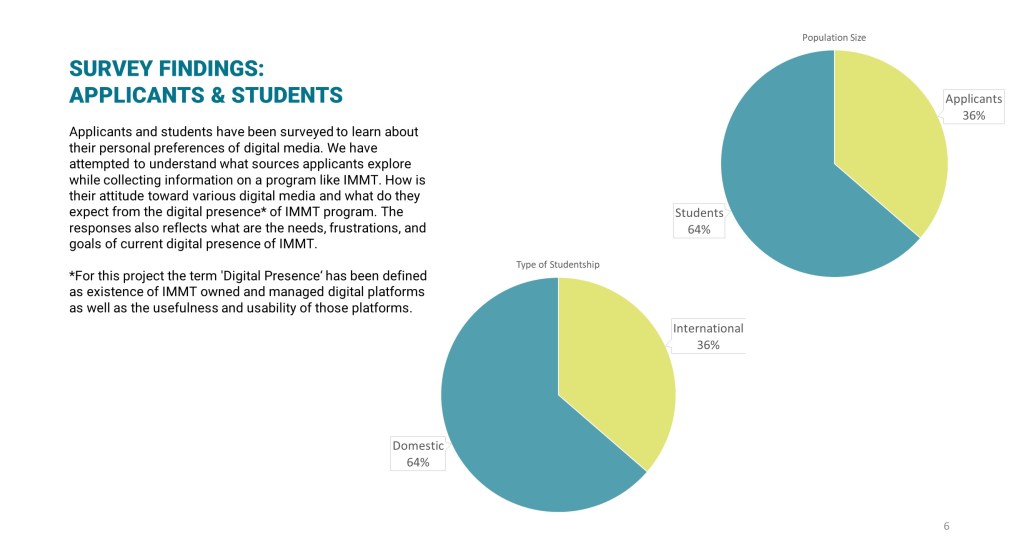
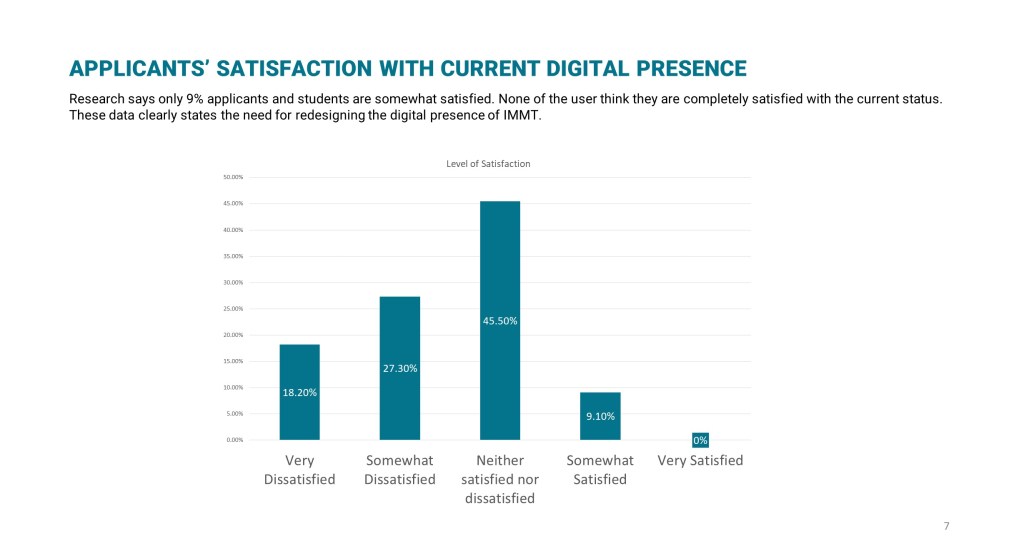
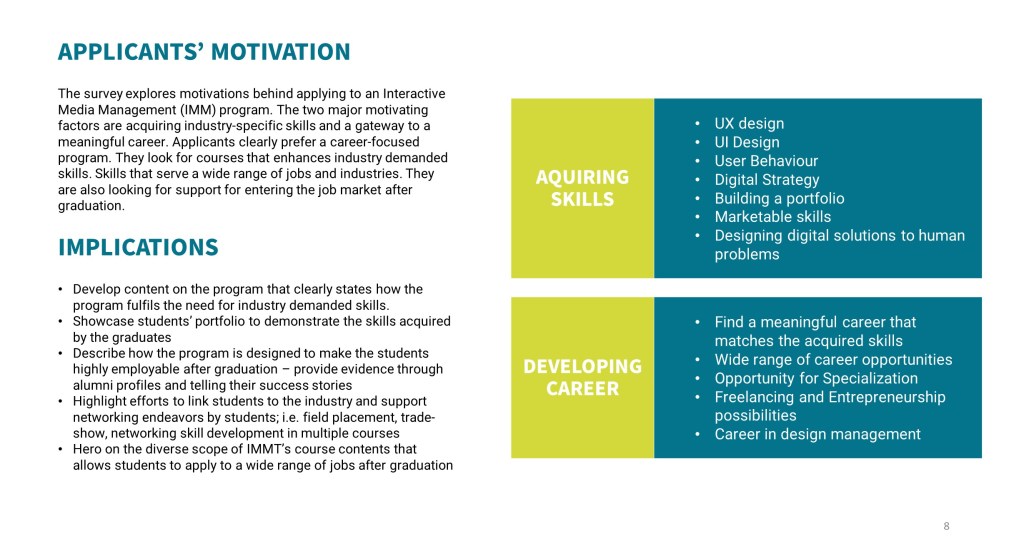
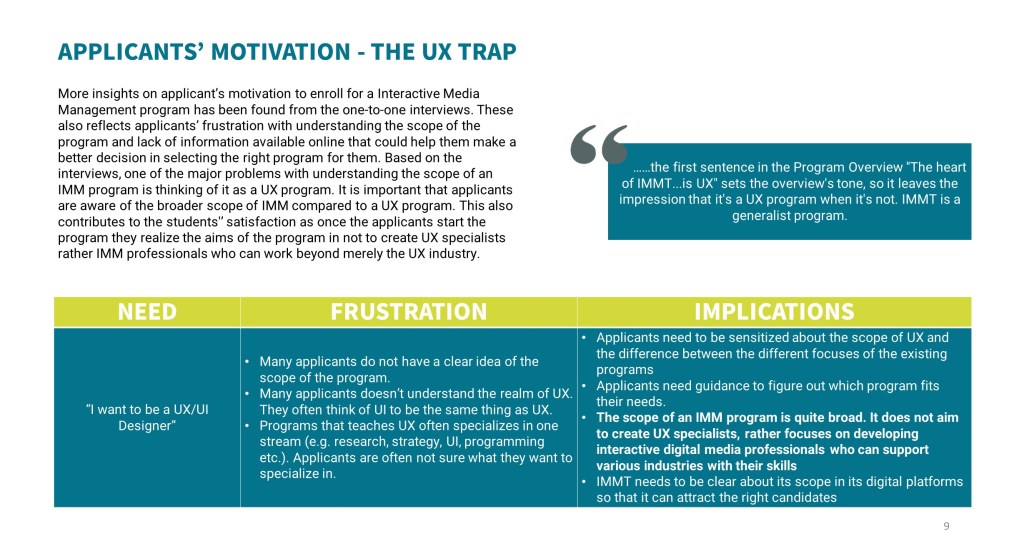
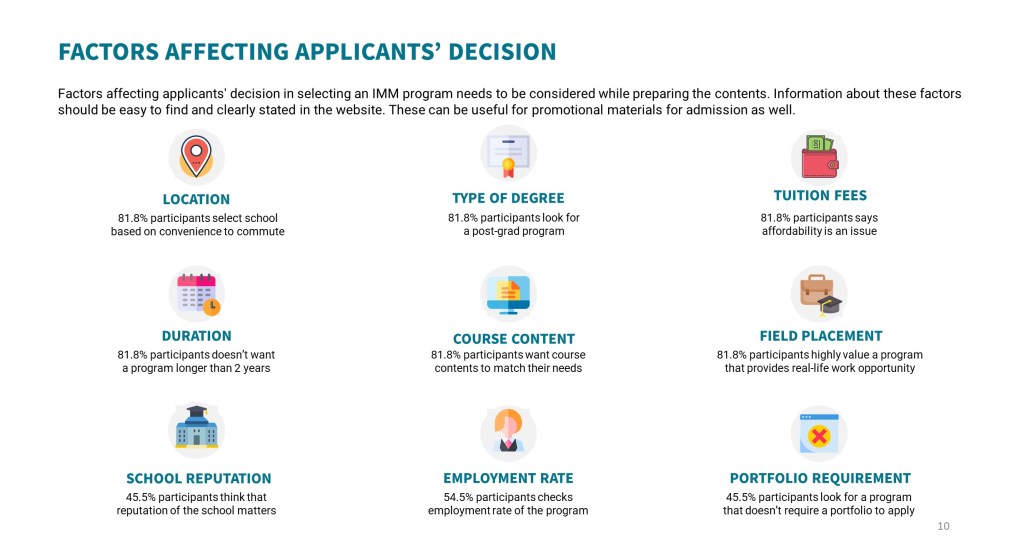
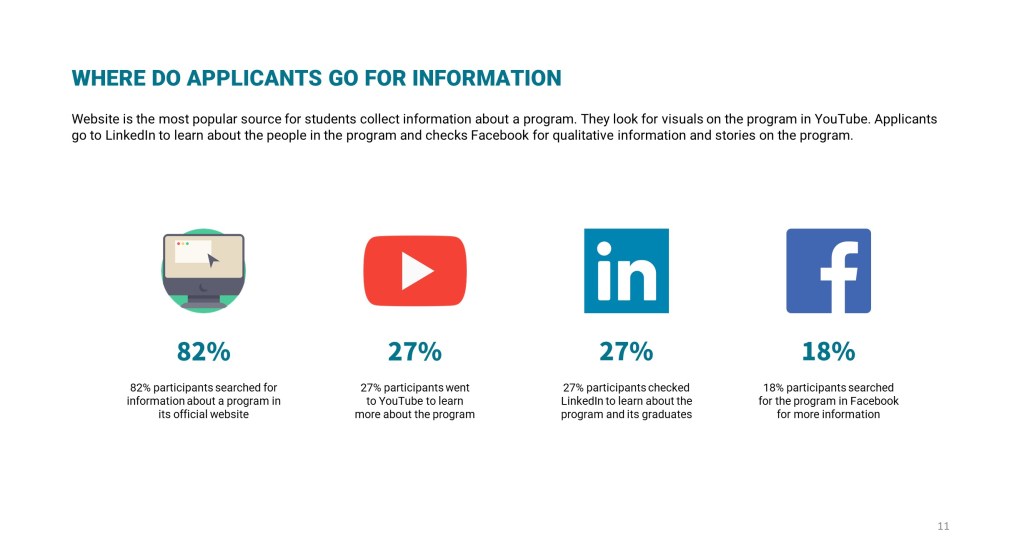
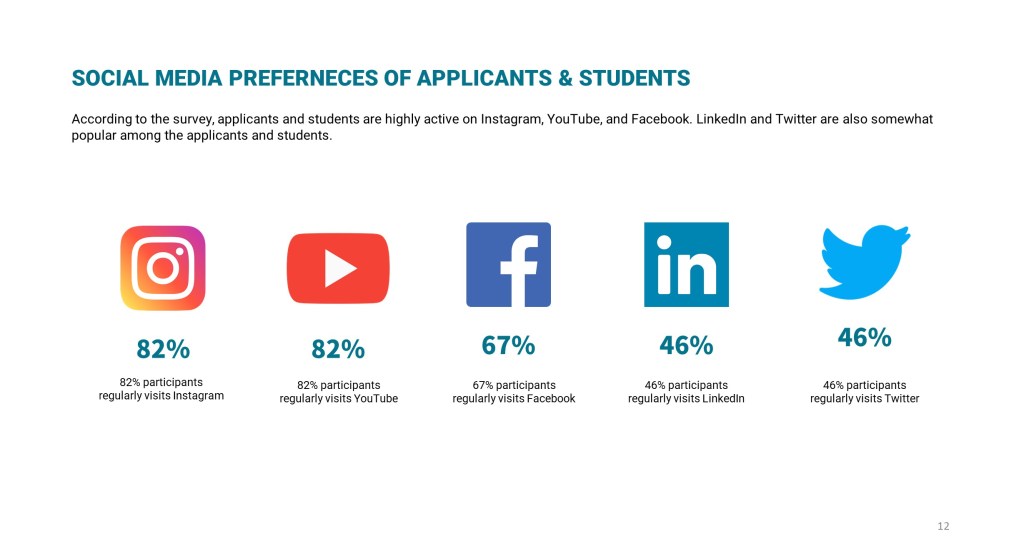
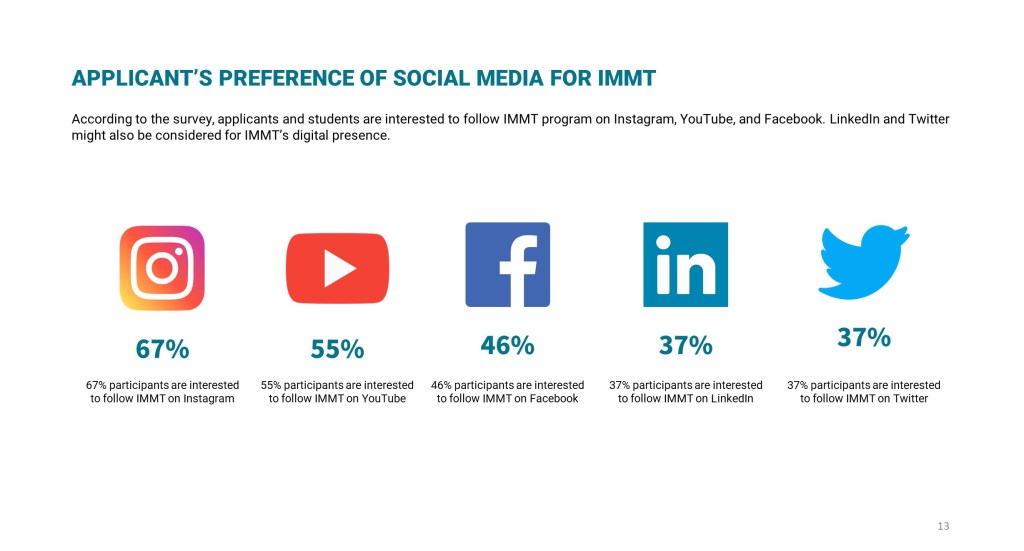
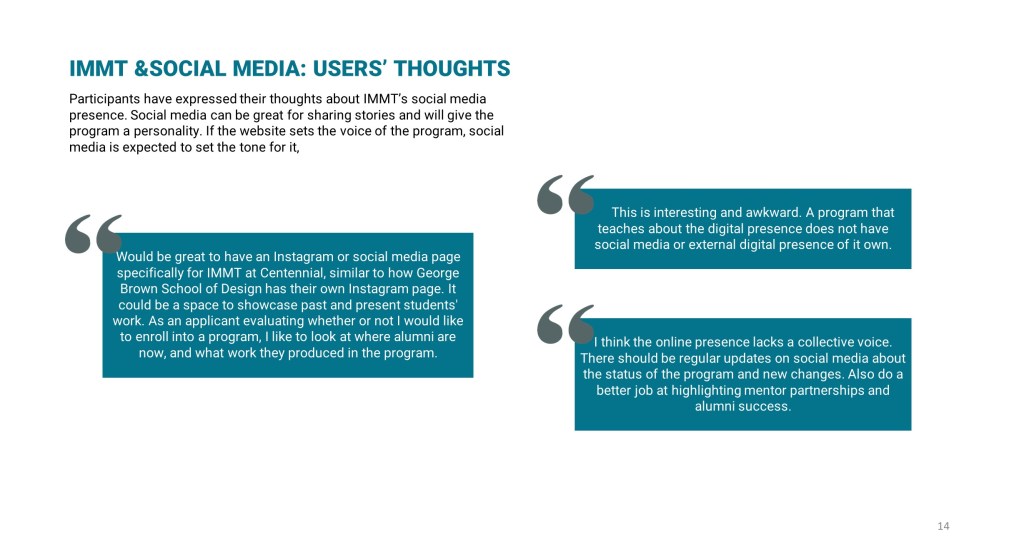
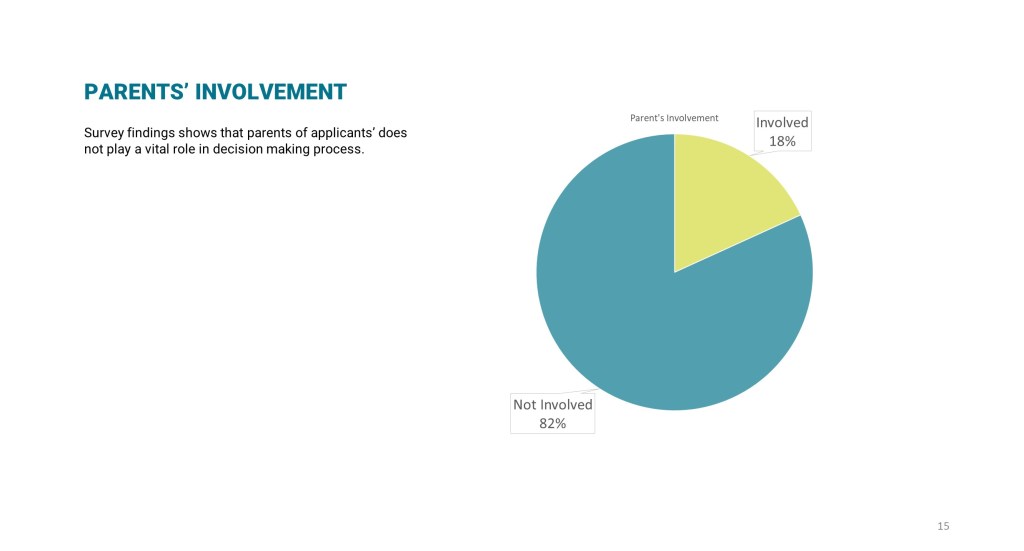
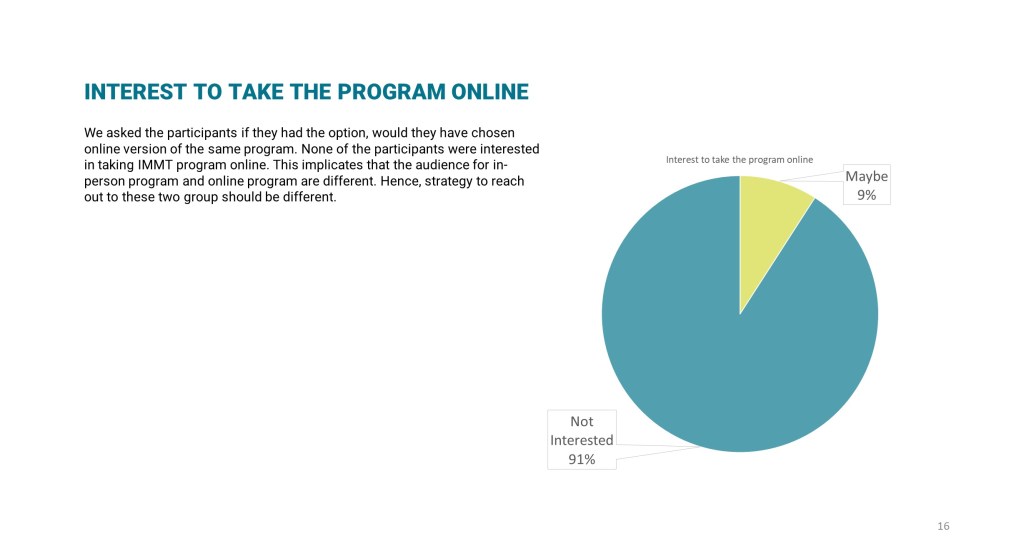
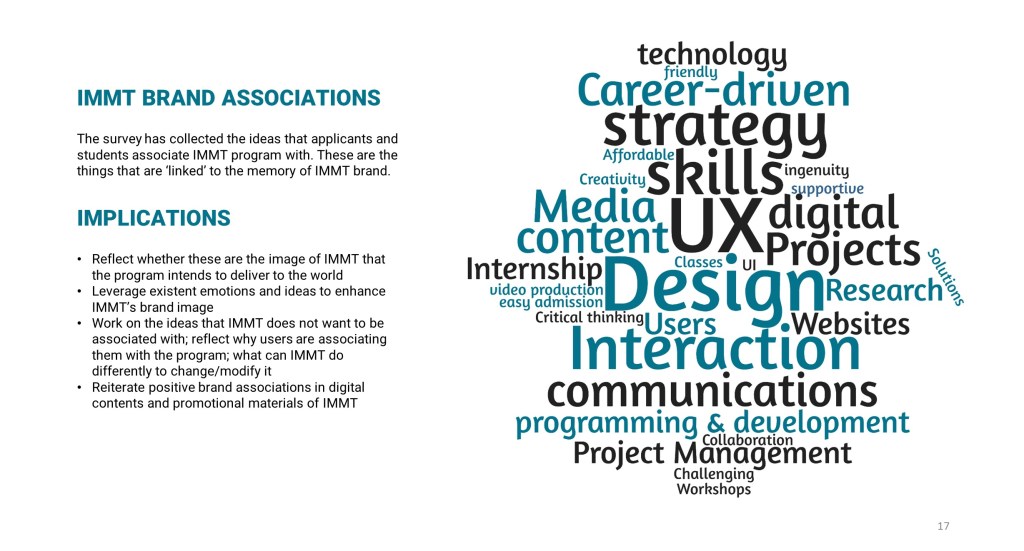
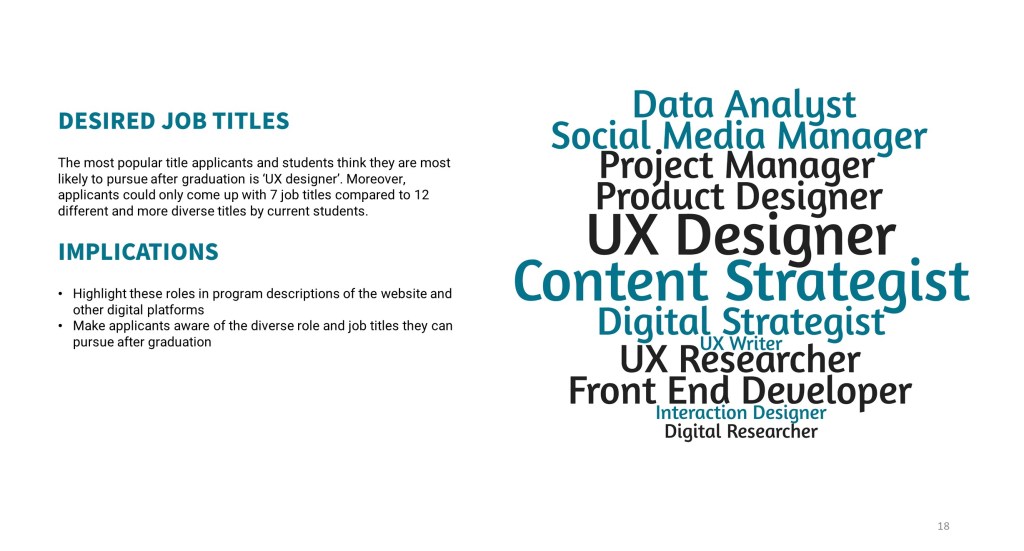
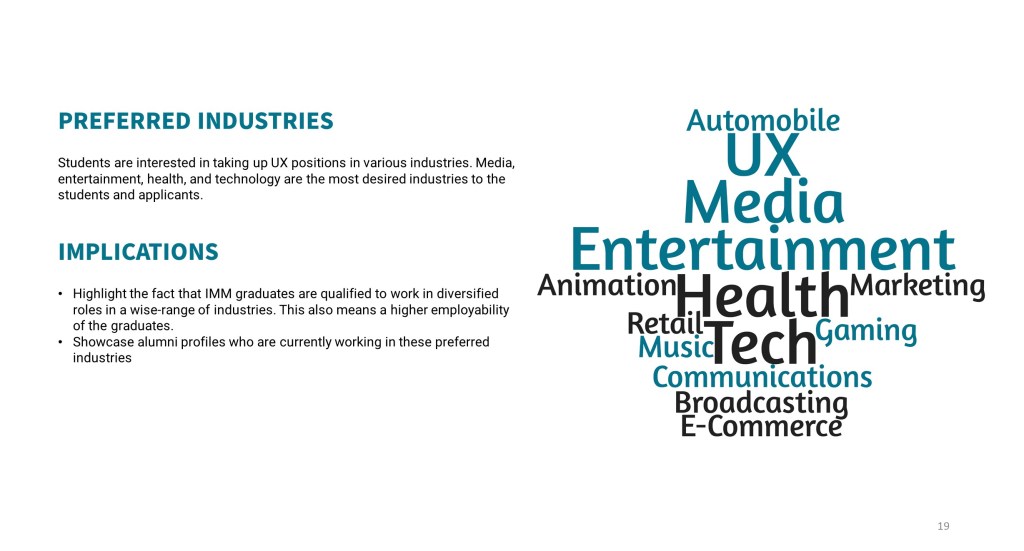
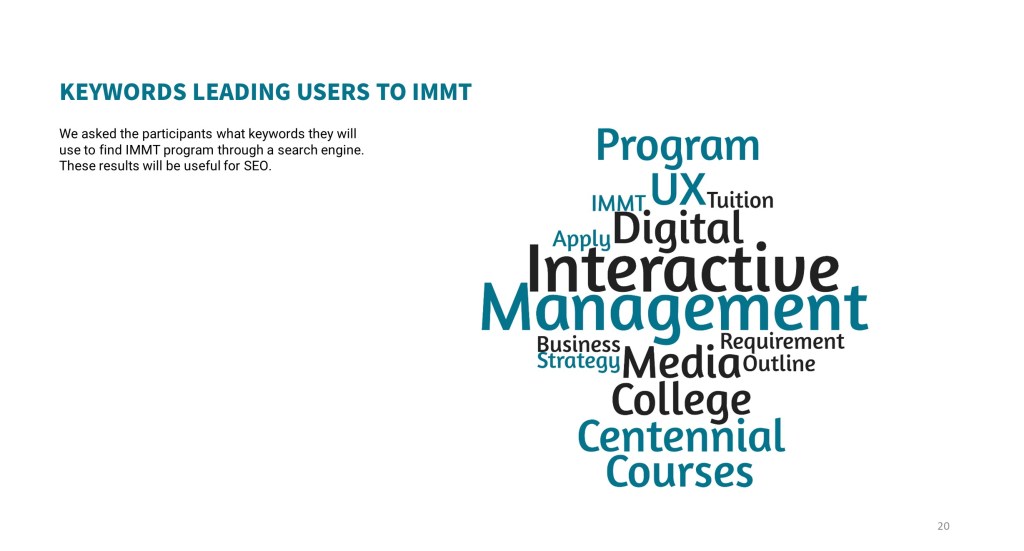
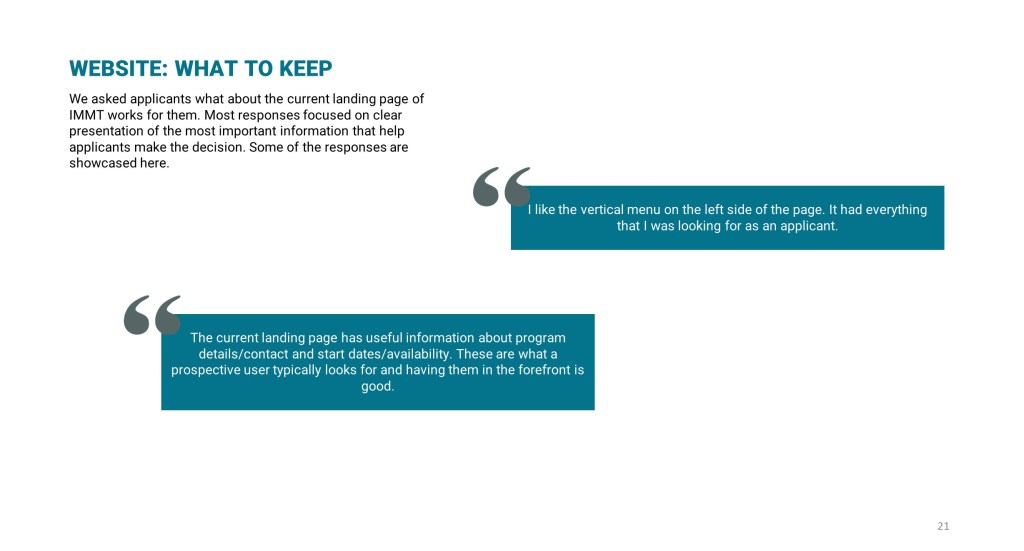
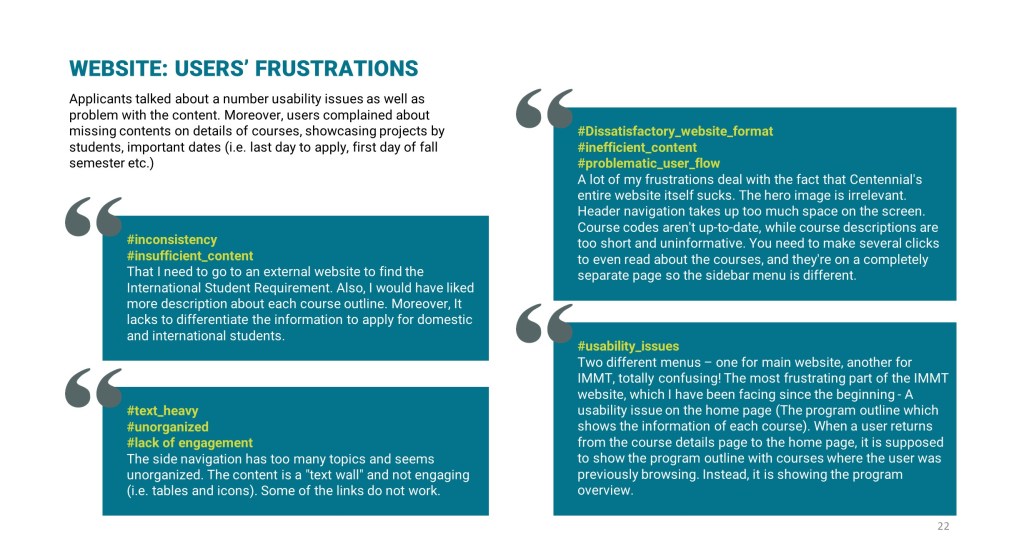
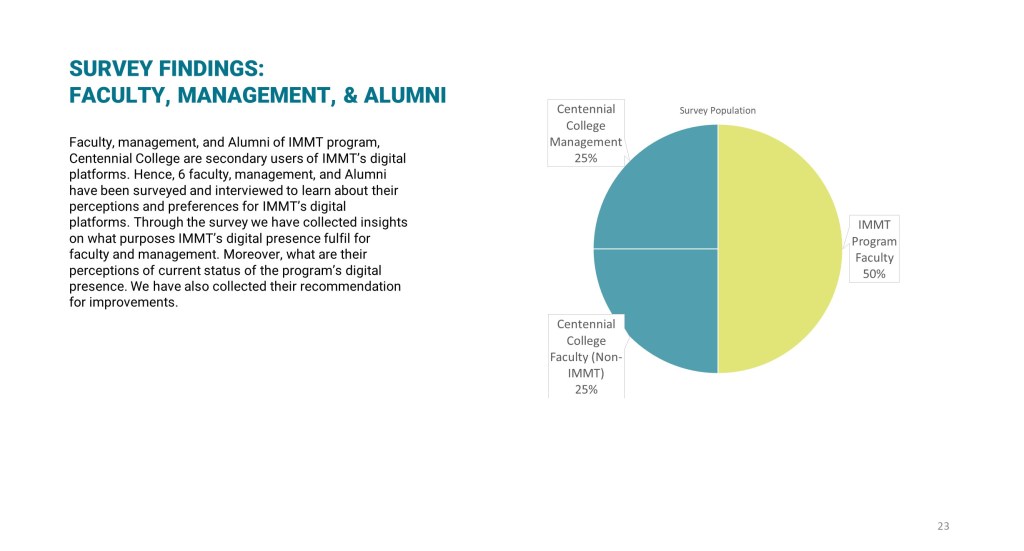
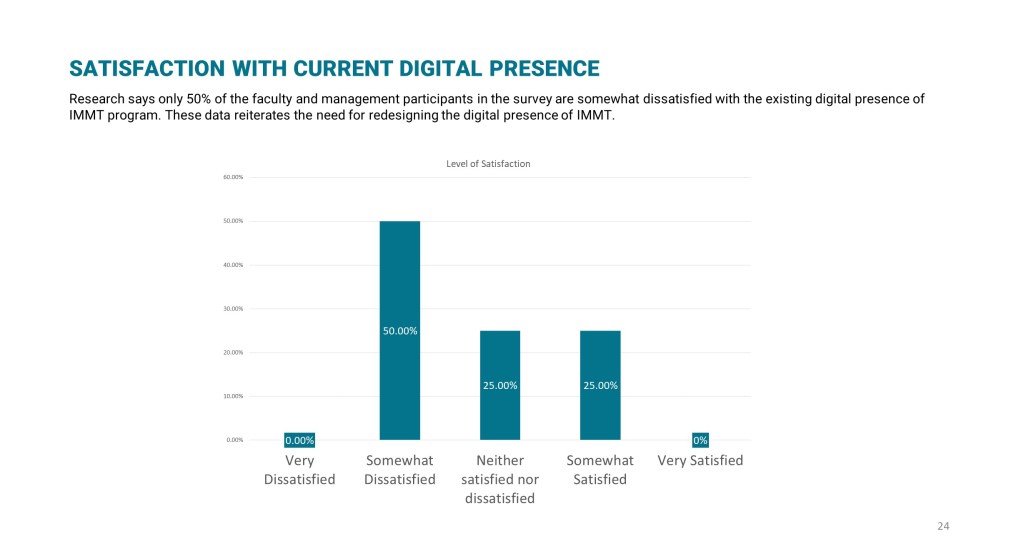
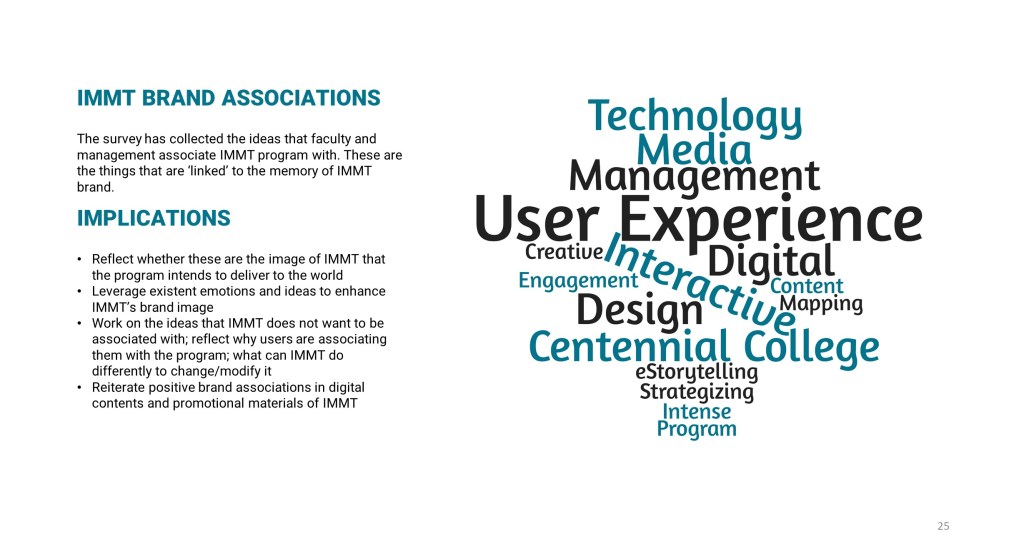
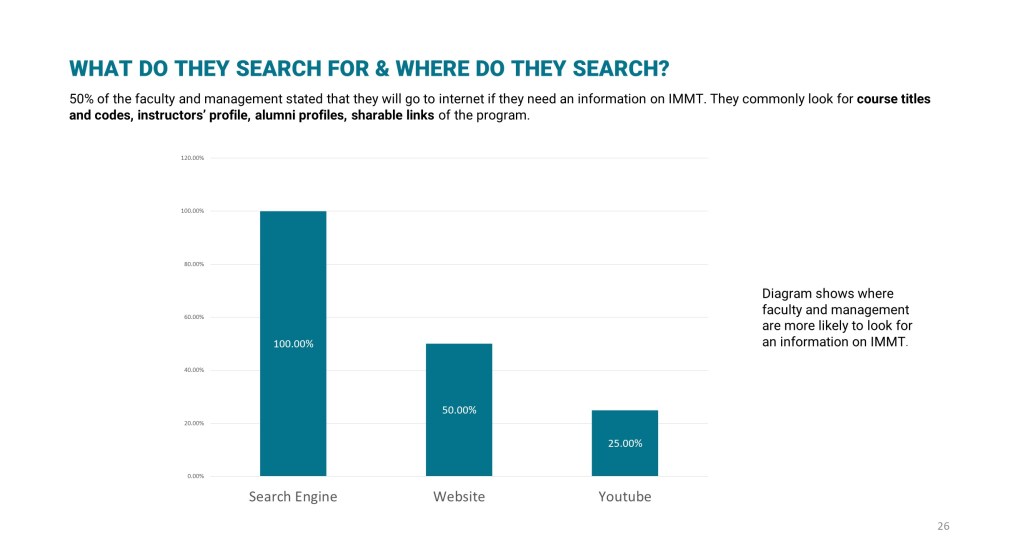
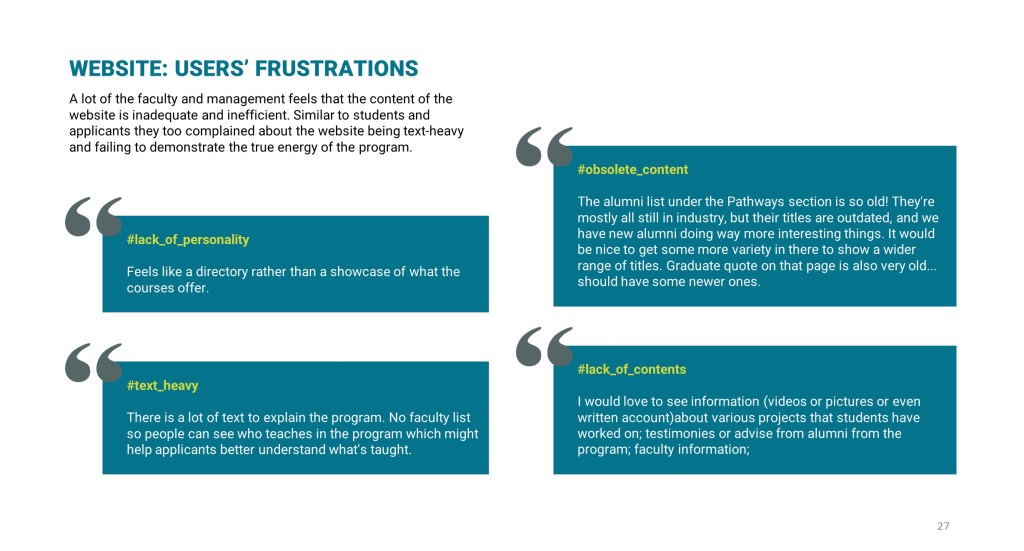
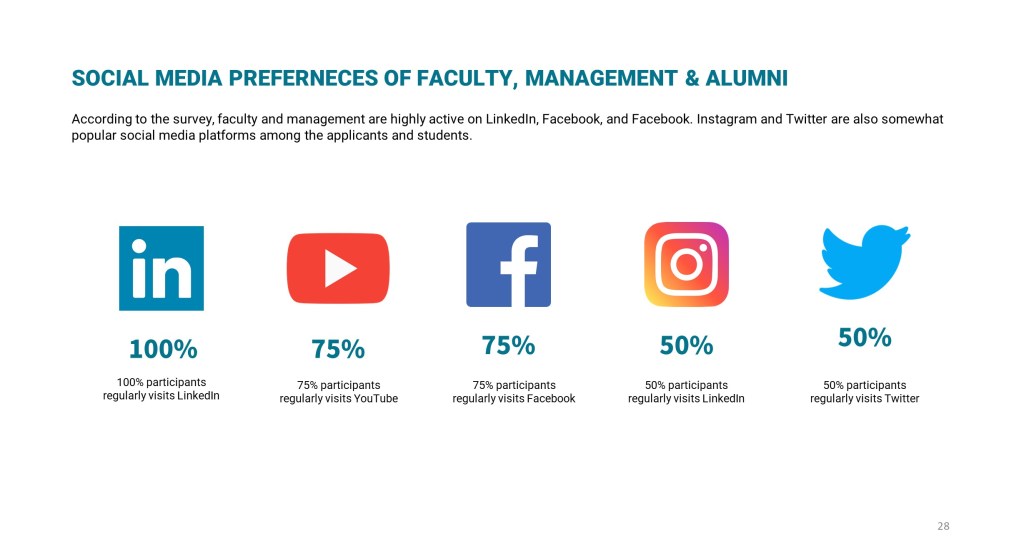
User research for the project were designed to better understand the problems with IMMT’s digital presence and to find out users’ needs. Research were conducted among applicants, students, faculty, college management, and alumni of IMMT program to collect a holistic insight.
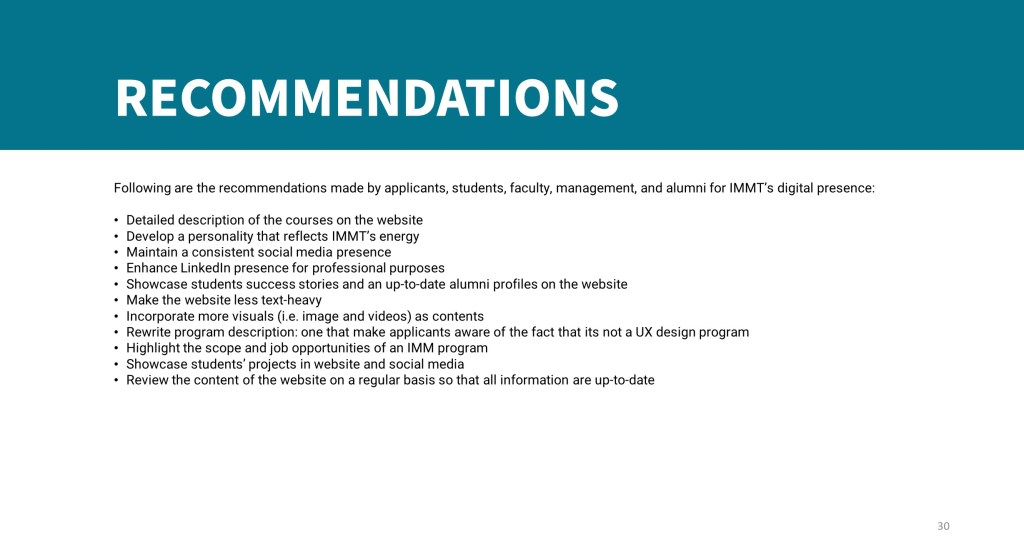
CONTENT PLANNING
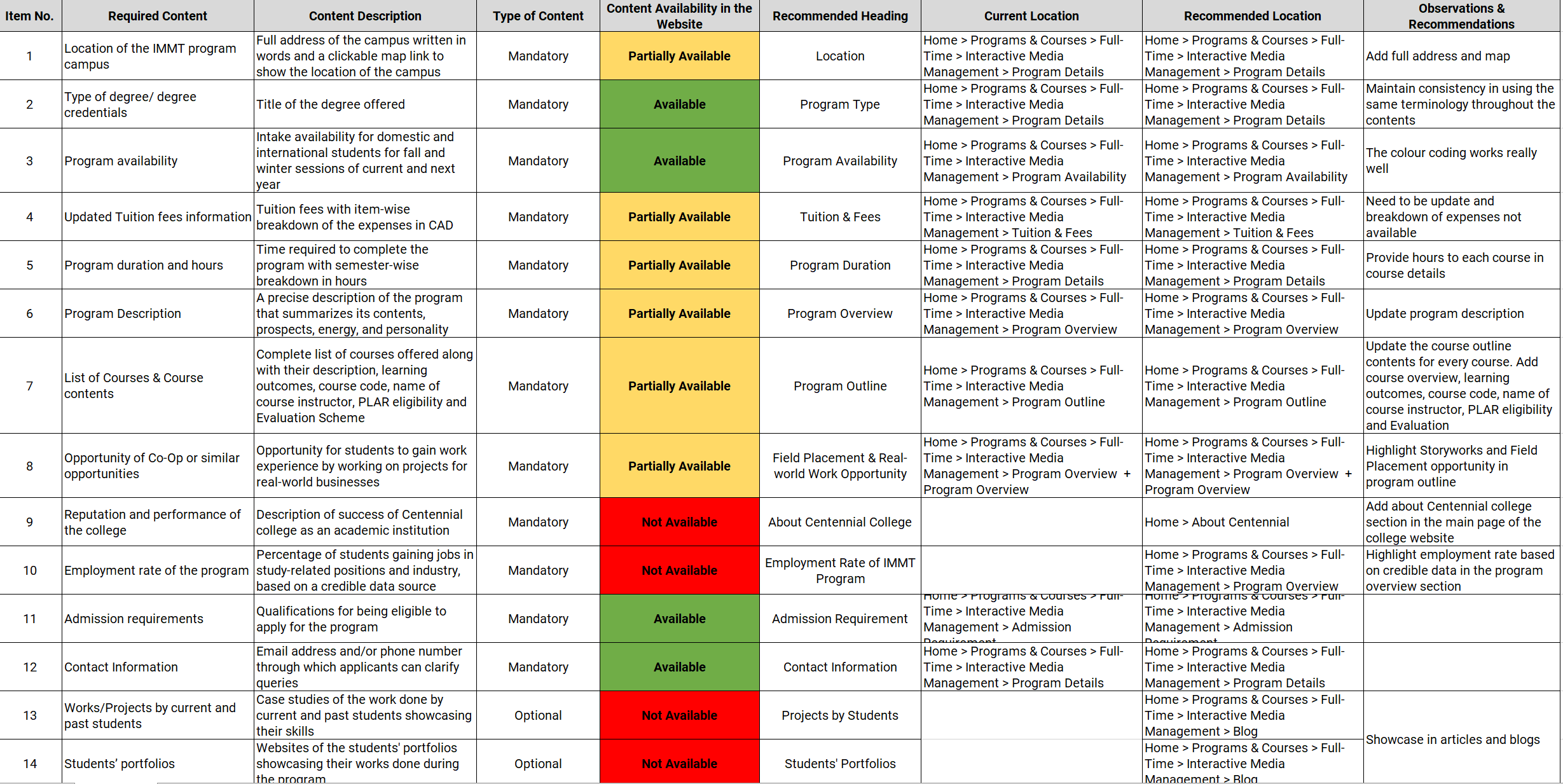
The purpose of content planning is to enlist the required contents for IMMT’s website based on user research, and to find out content gaps. This planning documents also recommends appropriate titles, effective location, and recommendations.
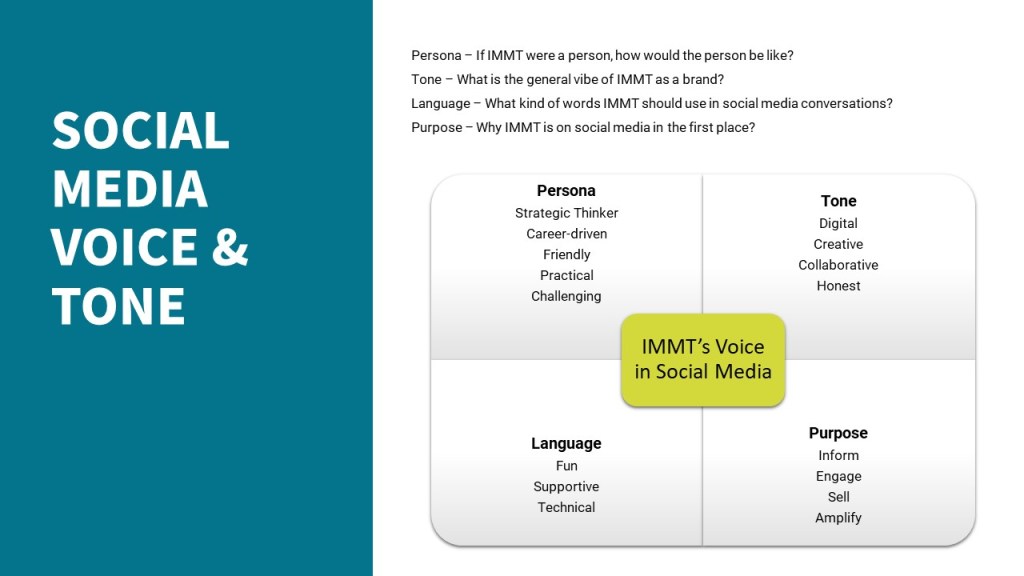
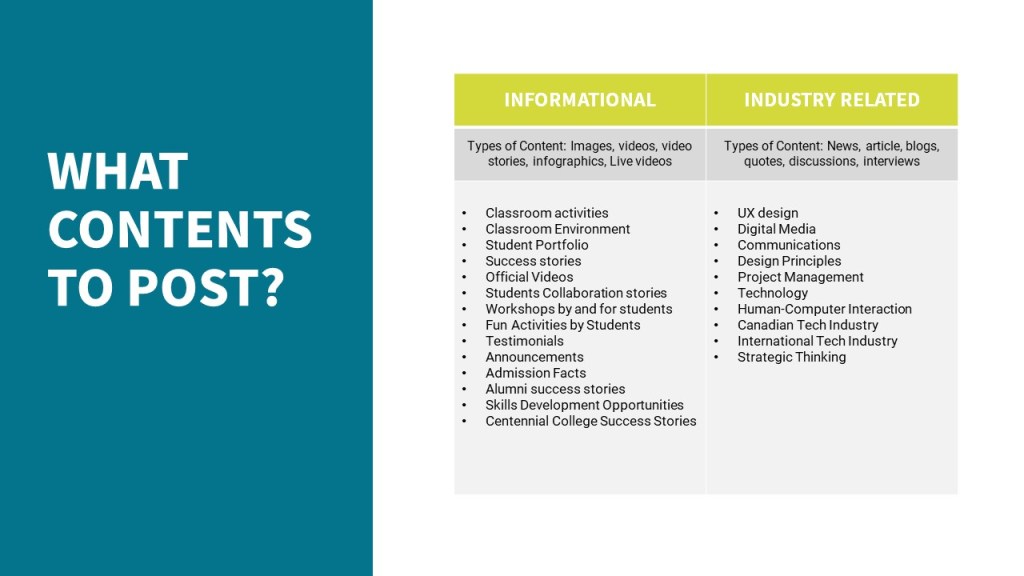
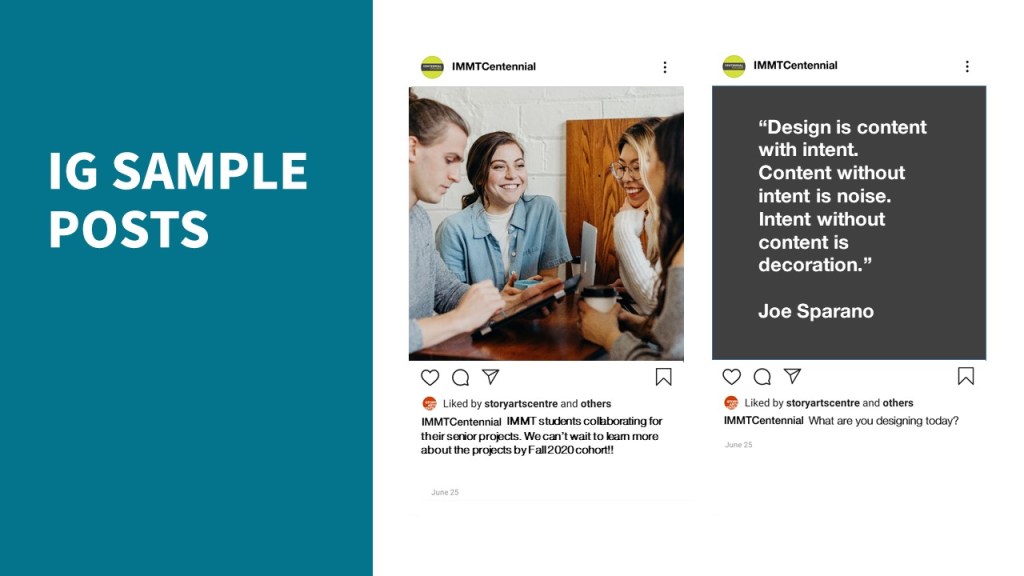
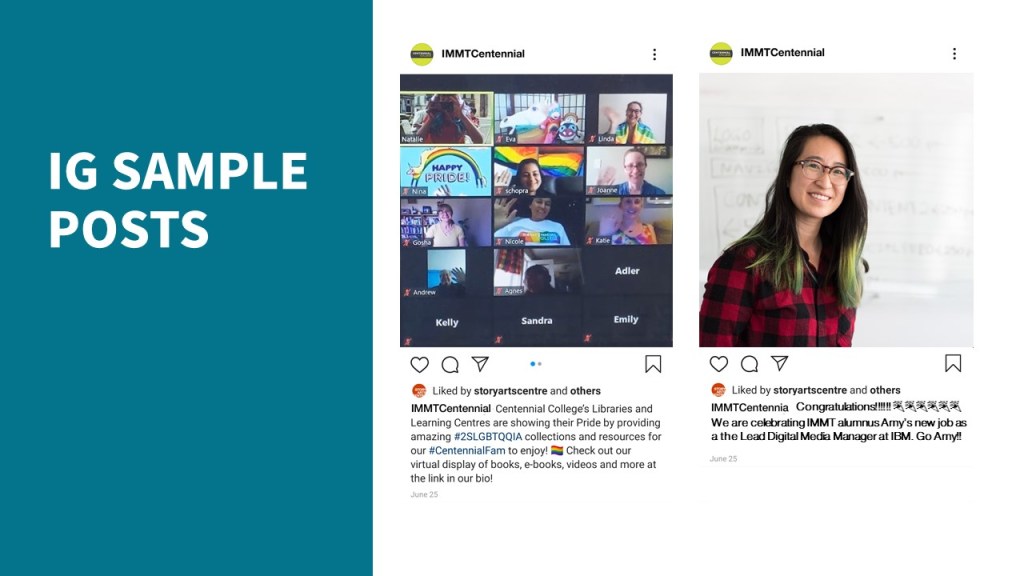
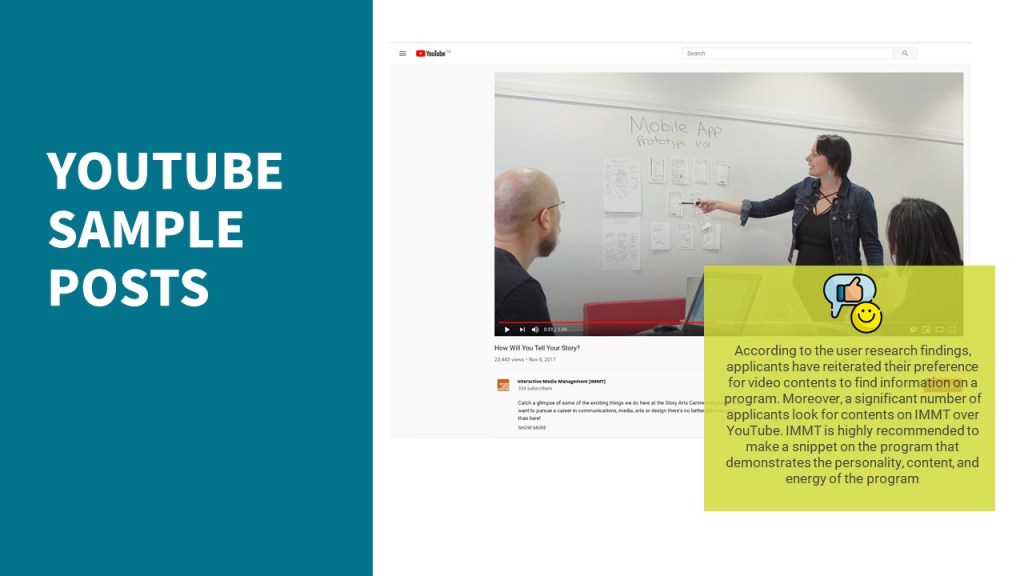
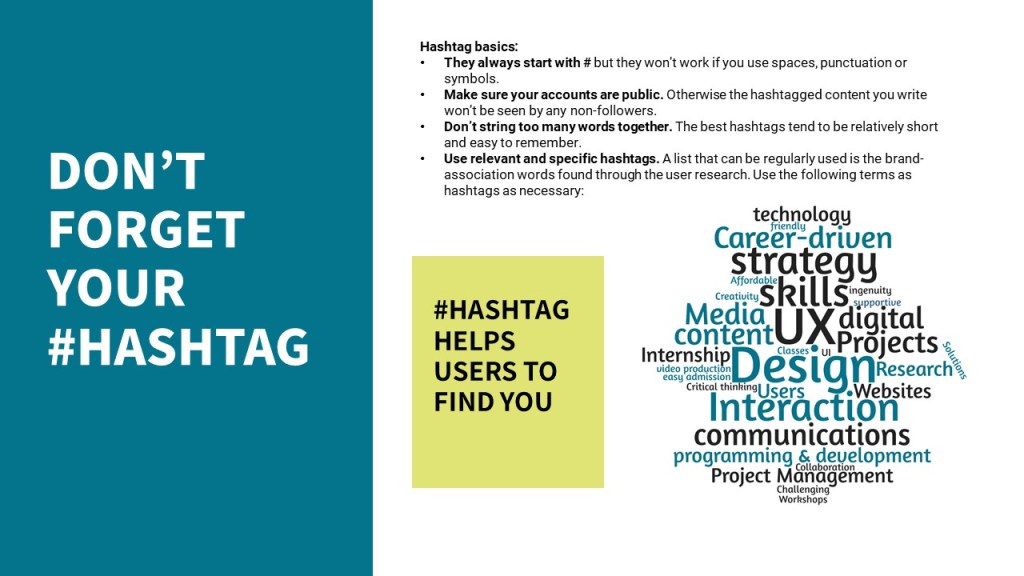
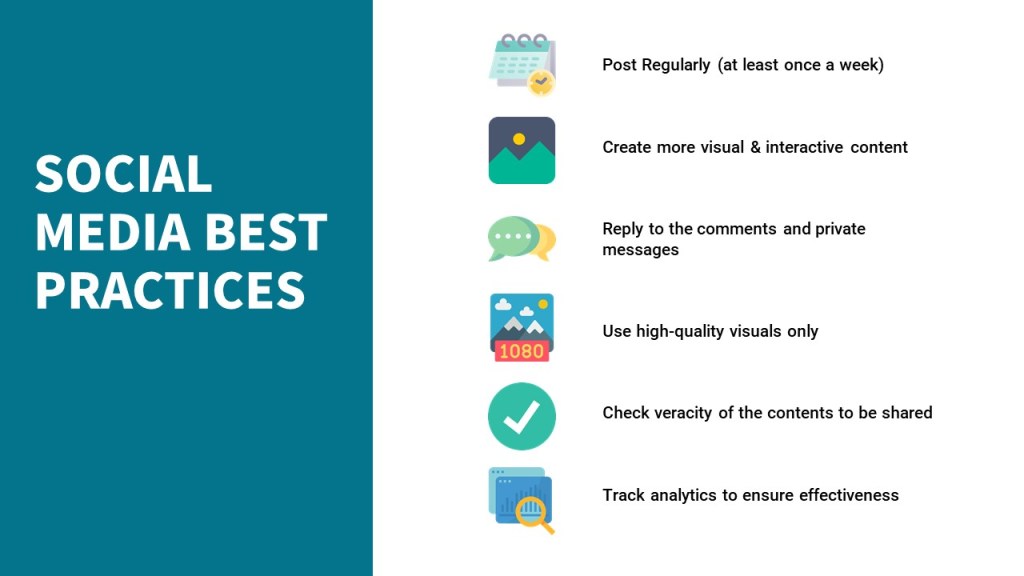
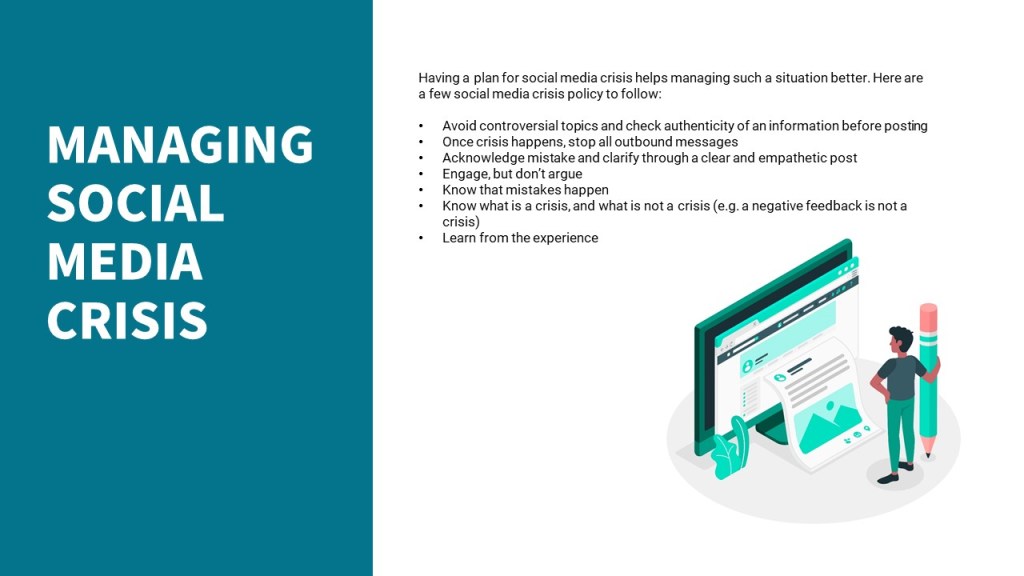
SOCIAL MEDIA STRATEGY
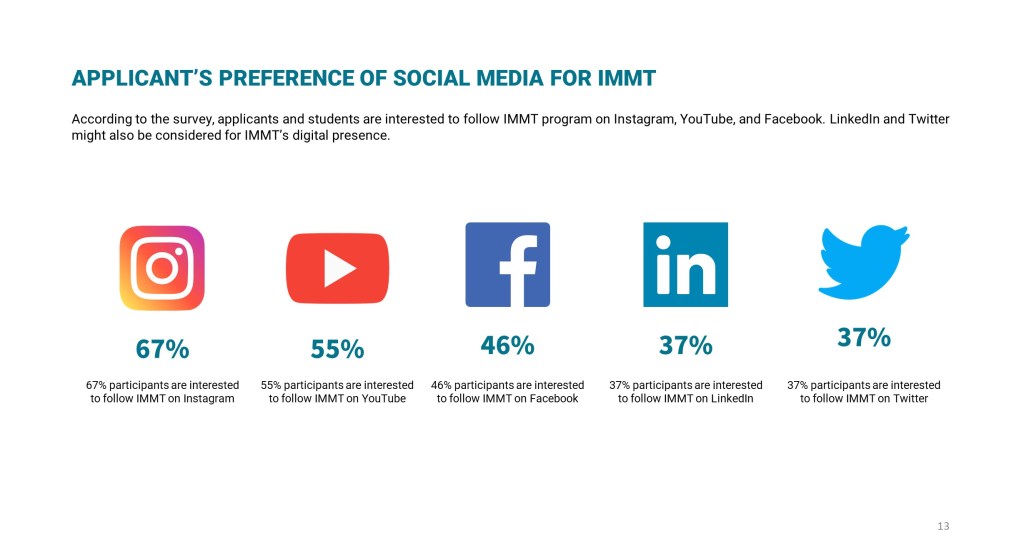
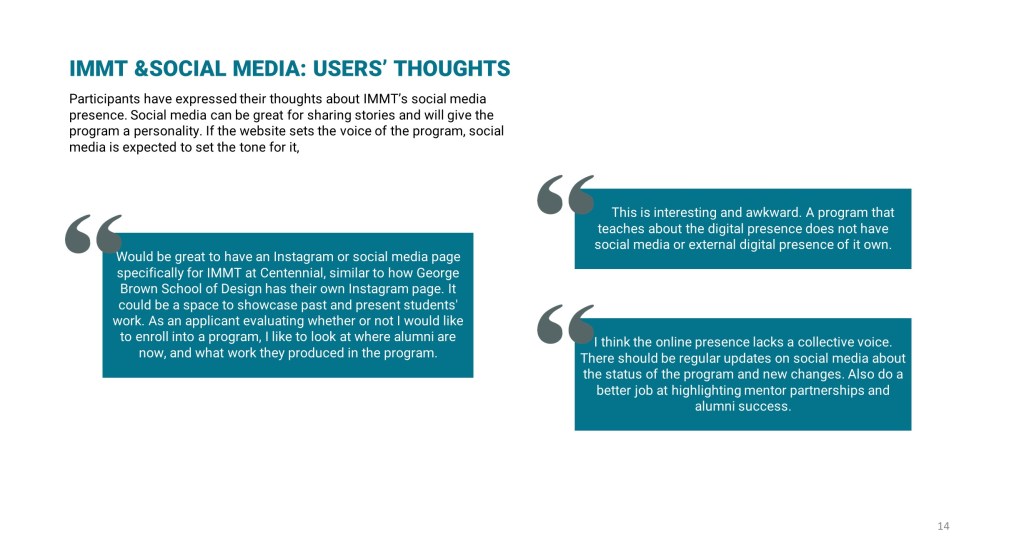
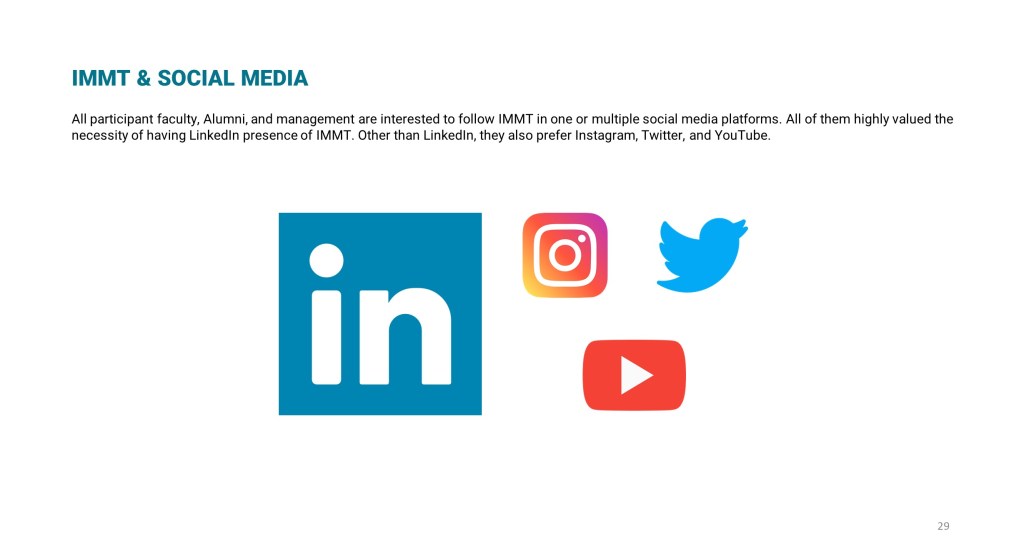
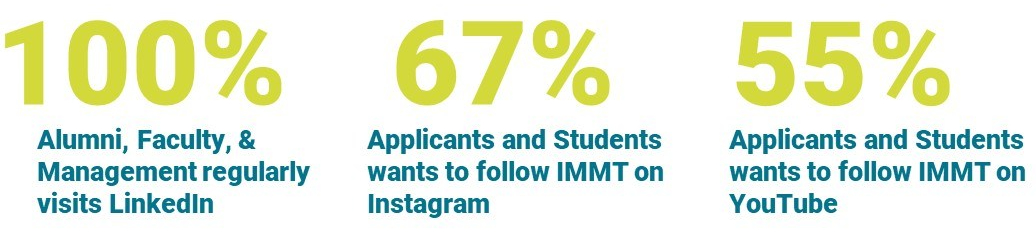
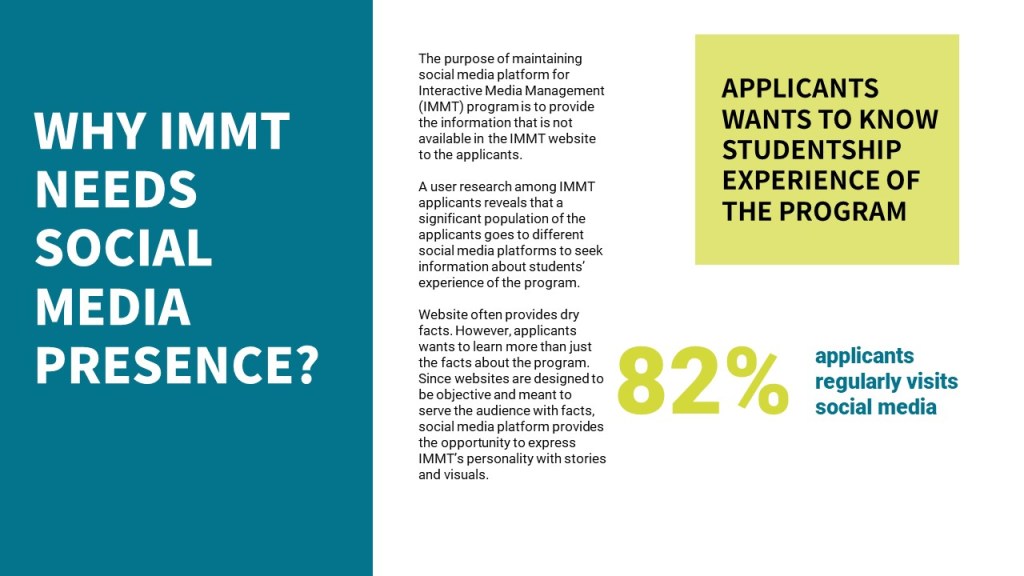
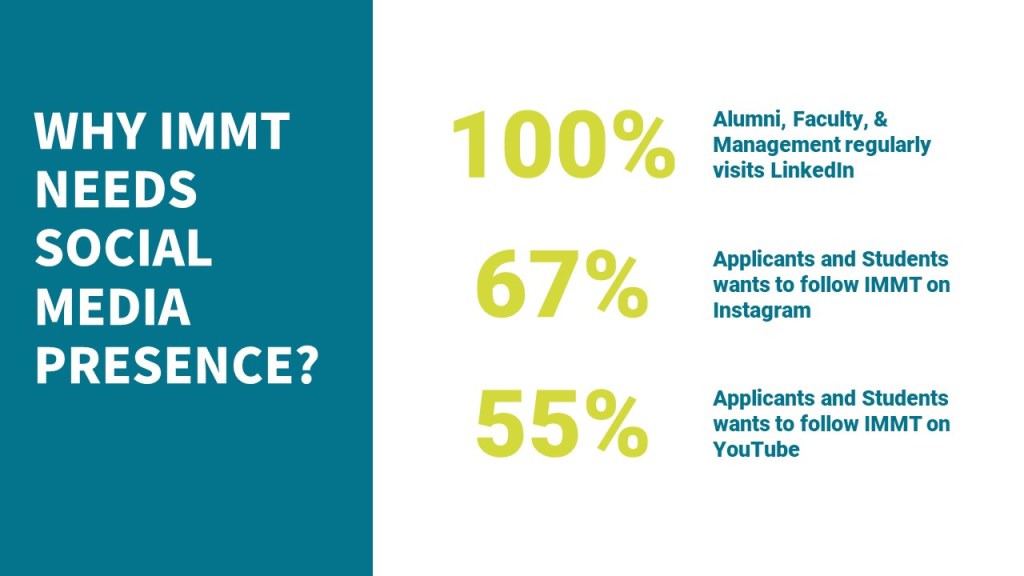
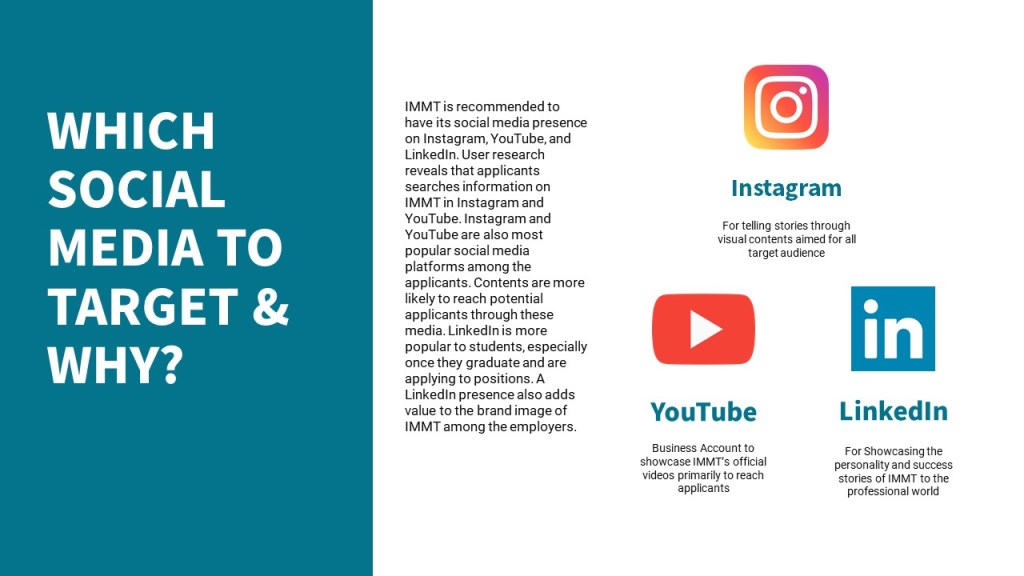
The two most important questions that I found answers to through my research are: why IMMT need a social media and what social media platforms are relevant to IMMT’s audience?

FINAL WORDS
One of the key success factors to this project were eliminating biases as a UX researcher. As an alumni of the program I ran the chances of conformity bias, expecting the research outcomes to reflect my own experience of the program. The fact that the research outcomes provided me with information that is different than my perceptions is not a success indicator; the confidence that I designed the research tools correctly and depended on the users’ answers rather my judgements for interpretation was crucial to the success of this project.

 Fariha Fairuz Chowdhury