My Role
UX Researcher
Client
David Stover
Owner, Rock’s Mills Press
Tools Used:
Pen and Paper, Adobe Illustrator, Adobe Photoshop, Adobe XD, InVision
Project Type
UX Design, Branding
Duration
Oct 2019 – Nov 2019
BACKGROUND
Rock’s Mills Press is a Ontario-based publisher. To understand the spirit of RMP one has to understand David Stover, founder of RMP and a distinguished professional in book publishing industry. He has been a prominent insider of the book publishing industry in Canada for over three decades and worked as a journalist and a freelance writer. Rock’s Mills Press champions in publishing regional history of Ontario, Lucy Maud Montgomery, and academic books.
David envisions Rock’s Mills Press to be a unique platform for books that do not necessarily fit the typical definition of today’s corporate bestsellers. Rock’s Mills Press does not believe in mindless commercialization and want its website to reflect its personality. The essence of this publishing house can be understood from this quote we found in its website:
“Books that matter. Books that need to be published. Books that bring to light new ways of looking at the world. Ways that are productive, sometimes provocative, and always interesting. That’s what Rock’s Mills Press books are all about.”
THE PROBLEM
The website suffered from lack of user interaction and had poor usability standards. The company was unaware of users’ needs. Moreover, the content is disorganized and contained errors.
THE SOLUTION
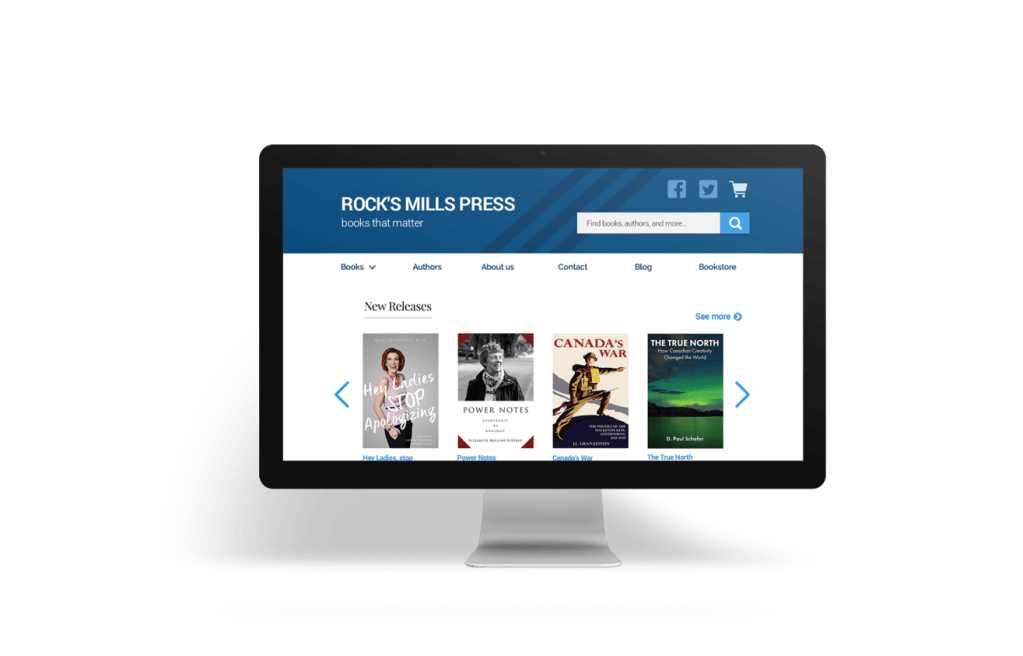
To address the problem we redesigned the website of Rock’s Mill Press by identifying and implementing the needs of its users. Made recommendations to enhance user interaction and delivered content development strategy.
SCOPE OF WORK
Based on our meeting with client, we developed a scope document. A scope document outlines the scope of work, timeline, resource requirements, and final deliverable. The document is reviewed by all parties. It helps everyone to be on the same page about the work to be done and upholds the working standards. Please see the scope document for RMP project here.
CURRENT STATE ANALYSIS
The first step towards a solution is problem identification. Based on our meetings with David Stover and investigation of Rock’s Mills Press website, we developed current state analysis. The major gaps identified were:
- Lack of defined brand image
- Unidentified target audience
- Lack of planning to reach target audience
- No dedicated employee to manage the business
- Lack of regular maintenance of the website
- Ineffective content and user flow of the website
TARGET AUDIENCE & COMPETITIVE ANALYSIS
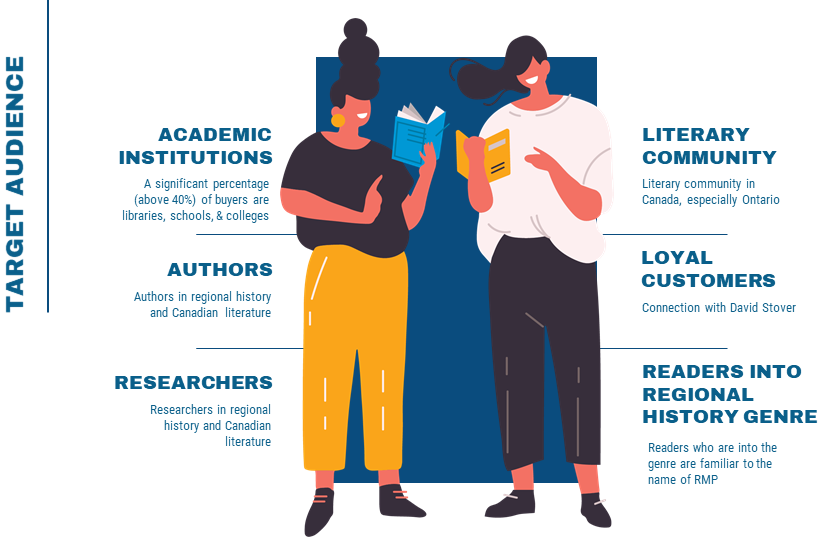
We also helped Rock’s Mills Press to identify its key target audience group based on it previous sales record. Furthermore, conducted a competitive analysis to understand its position in the market.
CONTENT AUDIT
To learn more about the gaps in the content we conducted a content audit. The major finding included lack of content, lack of clarity in content, lengthy and outdated content, lack of key information, broken links and other errors. See the full audit here.
USER RESEARCH

Interviewing Users
To understand the behaviour of our target users we conducted phone interviews and documented their experience as well as expectations from the website.


Personas & User Narrative
Who are these people that I am developing this We developed personas and user narratives to understand the behavioural patterns of the users while navigating around the website and making purchases from it. It also helped us identify the pain points of using the RMP website.
Content Strategy Development & Interactive Element Design
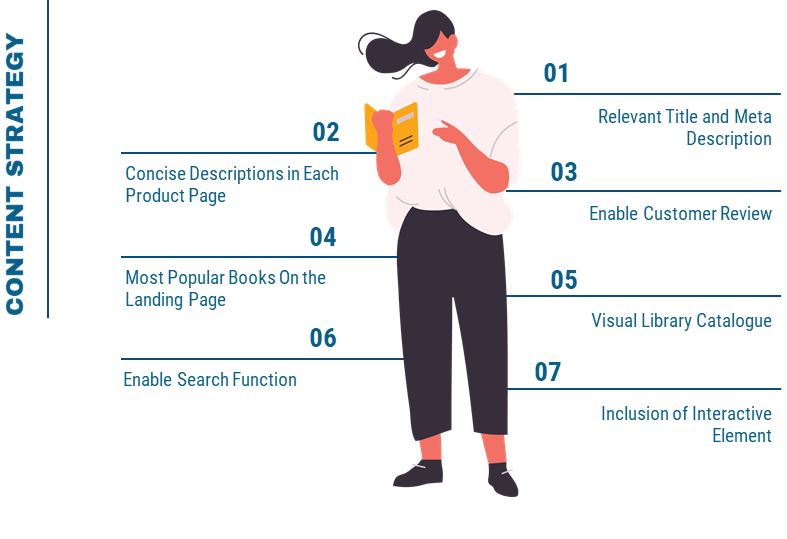
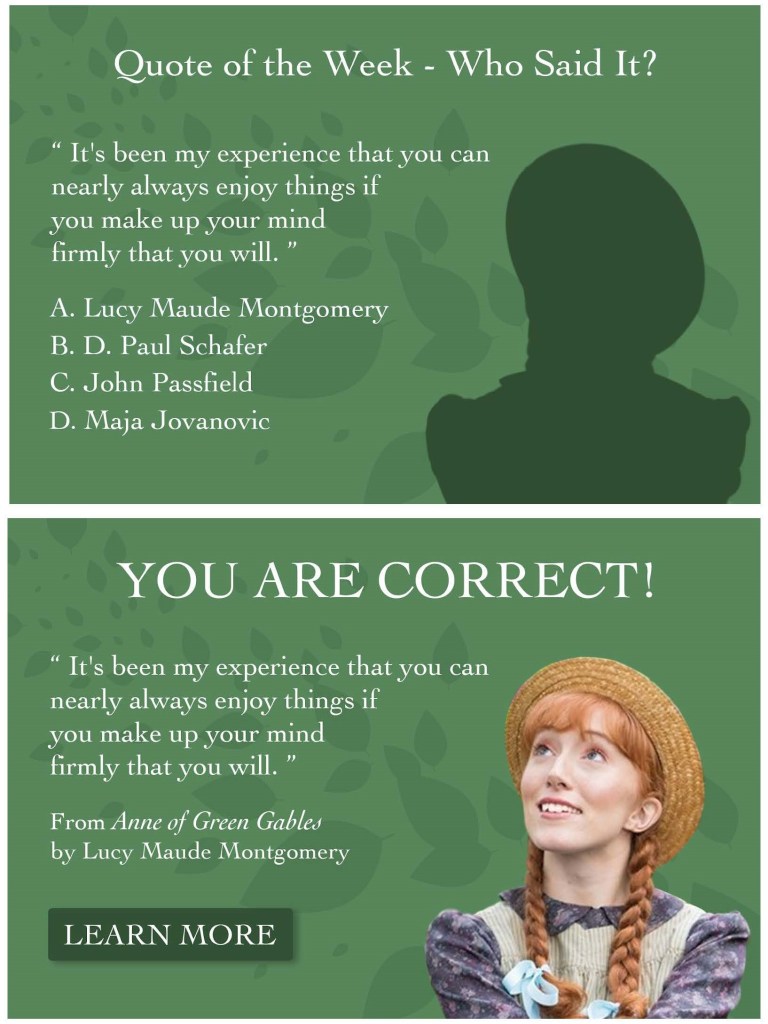
Content Strategy has been developed based on the user research. Moreover, we came up with content writing structure and guideline for the book pages. We have designed an interactive element for the website to enhance interactivity with the users. The interactive element is a quiz that users can take from the website on the topics that the publishers champions on. This is expected to make the website more interactive and more engaging to the users.
Interactive Element Design
PROTOTYPING
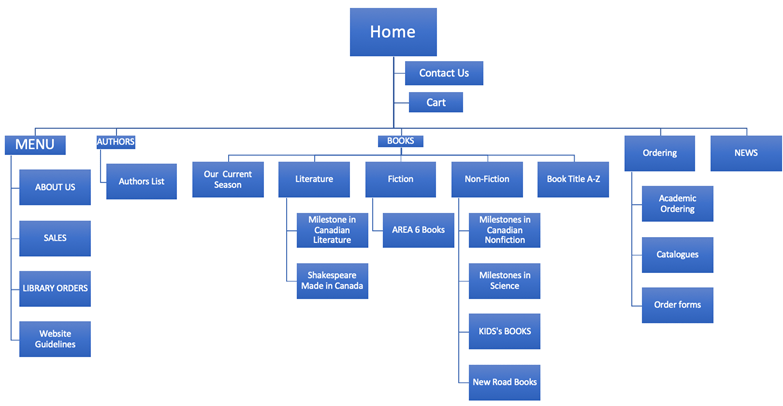
Prototyping was the final stage of our design process. Combining the requirements of the client and customers’ needs, we developed Information architecture, wireframes, layouts, and layout implementation tips for the website.
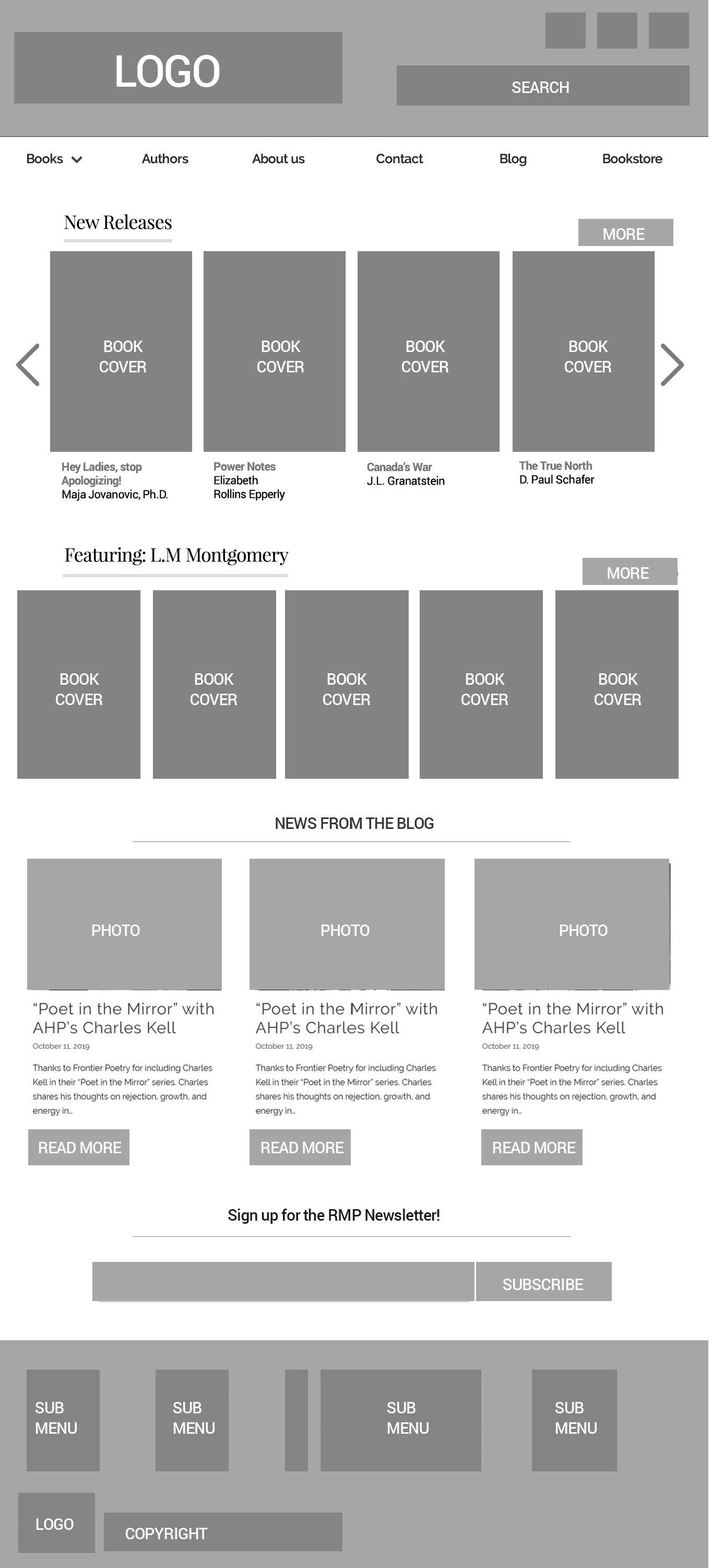
Information Architecture for RMP Website
FINAL DELIVERABLE
The final deliverables to the client were following:
 Fariha Fairuz Chowdhury